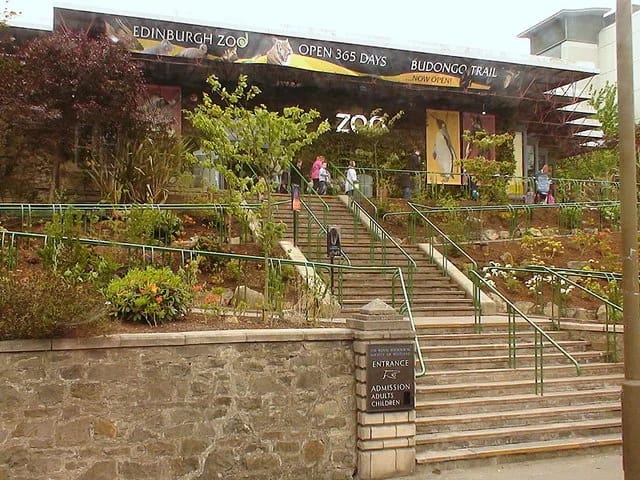
Edinburgh Zoo
No pandas
Yang Guang and Tian Tian returned to China in December 2023. · verified 2026-10-28
United Kingdom · Edinburgh
55.9422, -3.2693
Country archive

Country view in the panda archive
United Kingdom appears in the archive through long-term conservation partnerships, local institutions, and the pandas connected to them.
How to use this page
Country pages work best as a mid-level hub: start with the institutions recorded here, then move into panda profiles, recent archive activity, and the reading connected to this geography.
Institution map
2 locations recorded
Yang Guang and Tian Tian returned to China in December 2023. · verified 2026-10-28

The zoo's animal register lists no giant pandas. · verified 2026-10-28
Panda profiles
0 recorded here
Yang Guang and Tian Tian returned to China in December 2023.
Every institution recorded here is marked absent, last verified 2026-10-28. 2 pandas connected to United Kingdom remain in the archive.
Pandas born here that have since moved on, or recorded here and now deceased. This is a provable lower bound, not a tally of every panda that ever lived here — the archive keeps no movement history.
姬姬
Chi Chi (姬姬, studbook #110) was a female giant panda discovered in Baoxing, Sichuan in 1955 and sent to London Zoo in 19...
View profile明
Ming (明, studbook #9), originally named Bei Bei (贝贝), was a female giant panda captured in Sichuan around 1938 and broug...
View profileIn the library
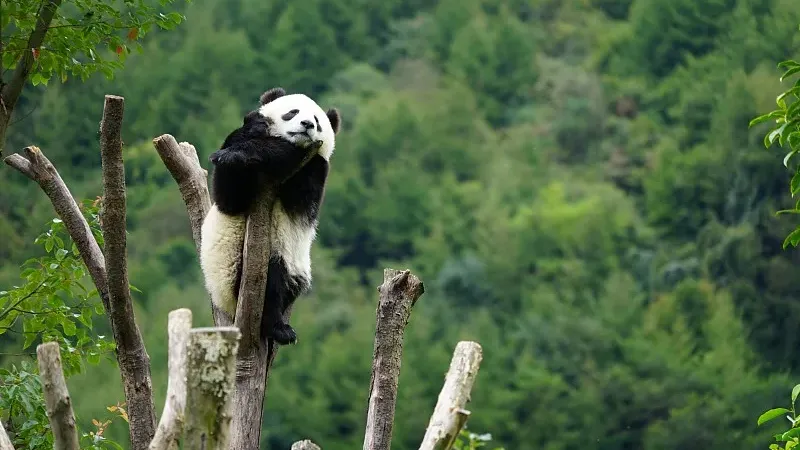
For 12 years, Tian Tian and Yang Guang were the United Kingdom's only giant pandas — drawing millions of visitors to Edinburgh Zoo, generating an estimated £50 million in economic impact, and becoming beloved Scottish cultural fixtures. This article chronicles their journey from arrival in 2011 to their emotional departure in 2023, capturing the joy, the breeding attempts, the disappointments, and the legacy of Britain's panda era.
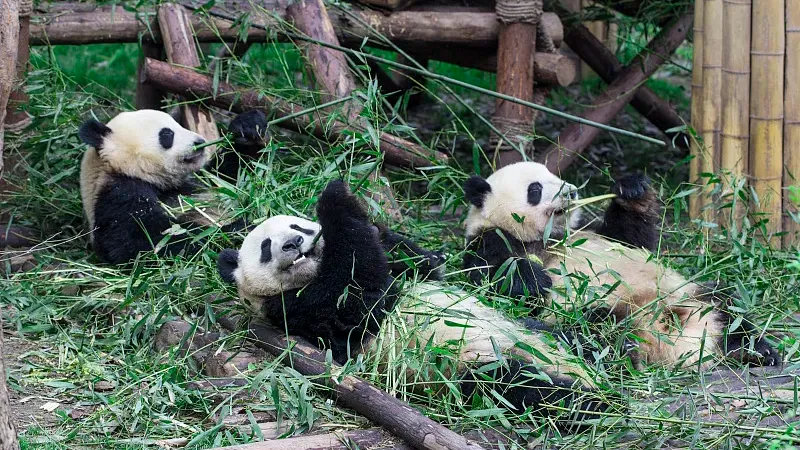
Every panda in a European zoo eats 12-38 kilograms of fresh bamboo daily — none of which grows naturally in European forests. This article traces the hidden logistics infrastructure: dedicated plantations in southern France, weekly refrigerated truck deliveries crossing borders, the economics of panda food, and the emergency networks that keep pandas fed when supply chains break.
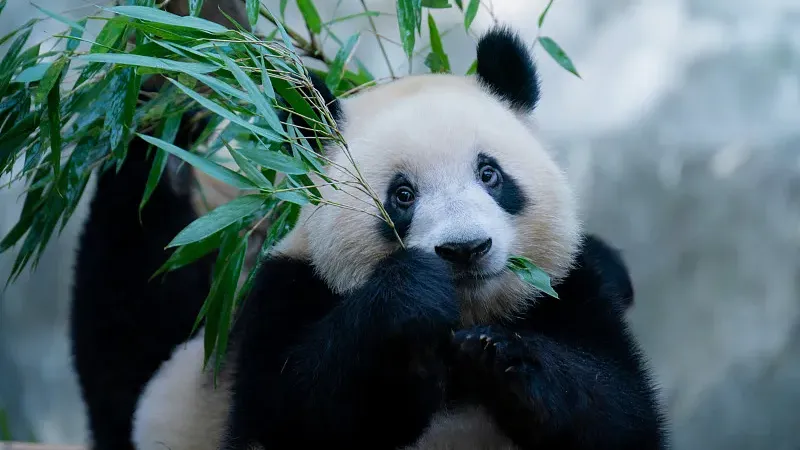
Trace the transformation of giant panda diplomacy from 1941, when Soong Mei-ling gifted the first pandas to America, through the landmark 1972 Nixon-era exchange, to today's international research loan agreements that channel millions of dollars annually into wild habitat conservation. This is the untold story of how a reclusive mountain bear became the world's most powerful diplomatic animal.
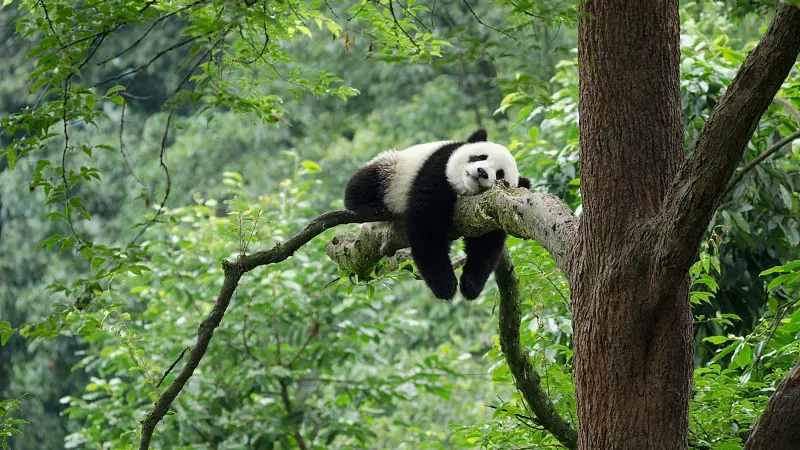
Giant pandas have never been sold. What foreign zoos pay is an annual conservation fee, not a purchase price; the largest costs sit in long-term care rather than the fee itself; and the values that matter most — ecosystem protection, watershed stability, cultural significance — cannot be transacted at all. This article separates the three, and explains why collapsing them into a single number produces misleading answers.
Recent activity
Yang Guang and Tian Tian arrived at Edinburgh Zoo in Scotland, becoming the UK's only giant pandas and launching a 12-year conservation partnership.
Read updateYang Guang moved to Edinburgh Zoo alongside Tian Tian as part of a 10-year Sino-British conservation partnership.
Read updateChi Chi, the most famous giant panda in the West and WWF logo inspiration, was euthanized at age 18 at London Zoo.
Read updateSir Peter Scott sketched Chi Chi at London Zoo, creating the iconic World Wildlife Fund panda logo used worldwide today.
Read updateActivity in this country has been recorded in the archive since 1938.
Continue through the archive
Use this country page as a midpoint. From here, the most useful next step is usually a specific institution, a panda profile, or an article that explains the wider conservation context.