The Forest Guardians: 30 Years Walking Alone Through Panda Country
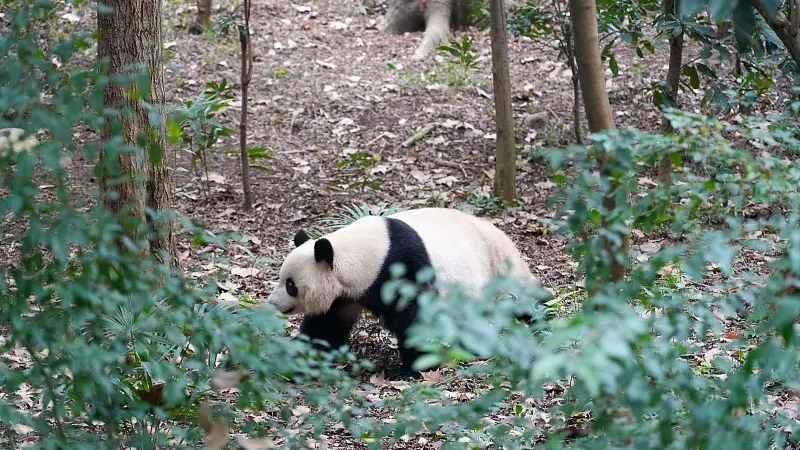
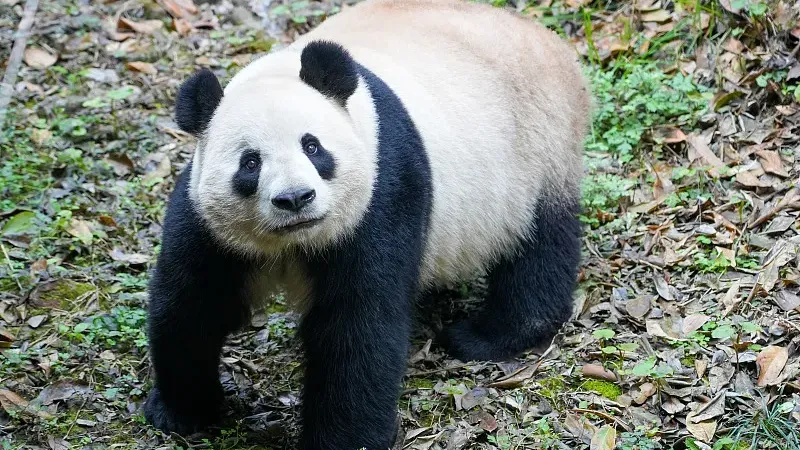
Every day, in the mountains of Sichuan, Shaanxi, and Gansu, hundreds of forest rangers walk alone through panda country — covering 15-25 kilometers of steep, remote terrain, checking camera traps, recording panda signs, and watching for poachers. They are the human infrastructure of wild panda conservation — underpaid, underrecognized, and absolutely essential. This article profiles the men and women who protect the panda's world, the technology they carry, the dangers they face, and the quiet dedication that makes all wild panda conservation possible.
The Fu Bao Effect: Why Watching Pandas Heals Modern Anxiety
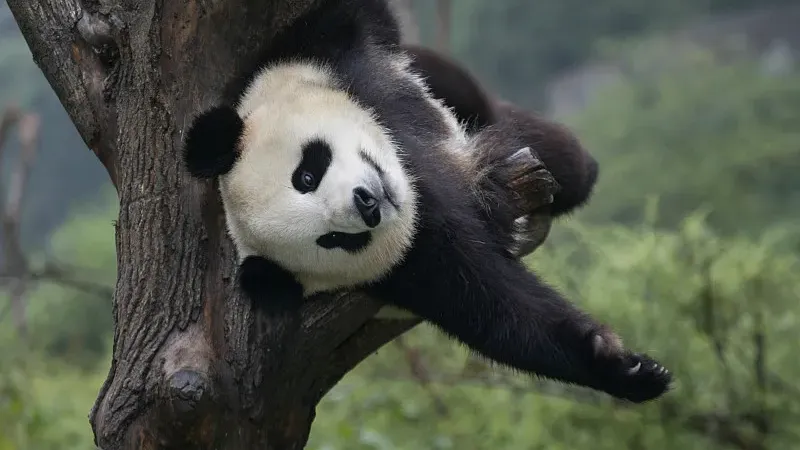
Millions of people describe watching pandas as calming, soothing, even healing. This is not sentimental projection — it reflects a genuine psychophysiological response. Panda viewing reduces cortisol, releases oxytocin, and activates the parasympathetic nervous system. This article explores the neuroscience of why pandas calm us, the cultural phenomenon of the 'Fu Bao Effect' in South Korea, and the global livestream economy that has turned panda watching into a multi-million-dollar wellness industry.
A Day in the Life: The Emotional Bond Between Keepers and Pandas
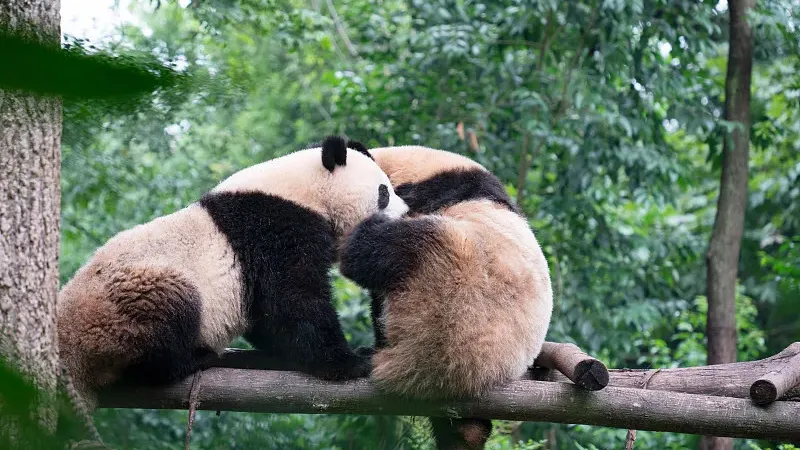
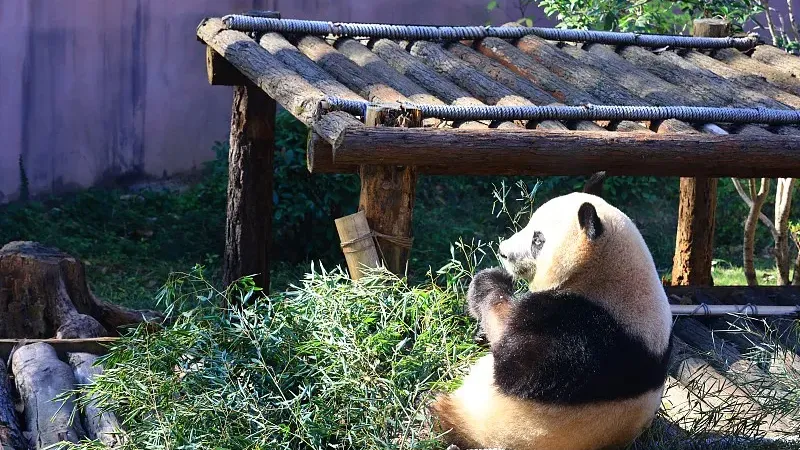
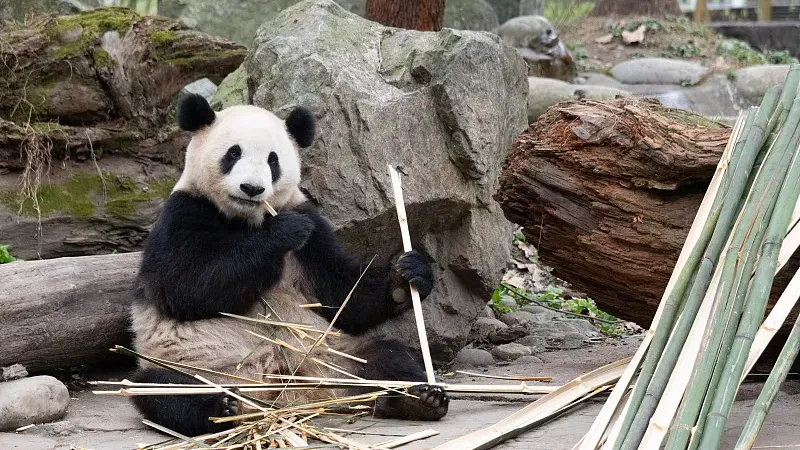
Behind every giant panda in captivity is a keeper who knows its moods, its food preferences, and the particular way it tilts its head when content. This article takes you through a 24-hour cycle at a panda base — the bamboo preparation at dawn, the quiet intimacy of feeding sessions, the careful observation of subtle health signs — and explores why the keeper-panda bond may be one of the most profound human-animal relationships in modern zoology.
Behind Every Name: The Art and Meaning of Naming Giant Pandas
From 'Tuan Tuan and Yuan Yuan' (symbolizing reunion) to 'Fu Bao' (lucky treasure), every giant panda name carries layers of cultural meaning, political significance, and public sentiment. This article explores the naming traditions, the global naming contests, and how panda nicknames — like Hua Hua's 'Guo Lai' — have become a unique form of modern Chinese internet folk culture.
Rewilding Pandas: From Captivity Back to the Deep Forest
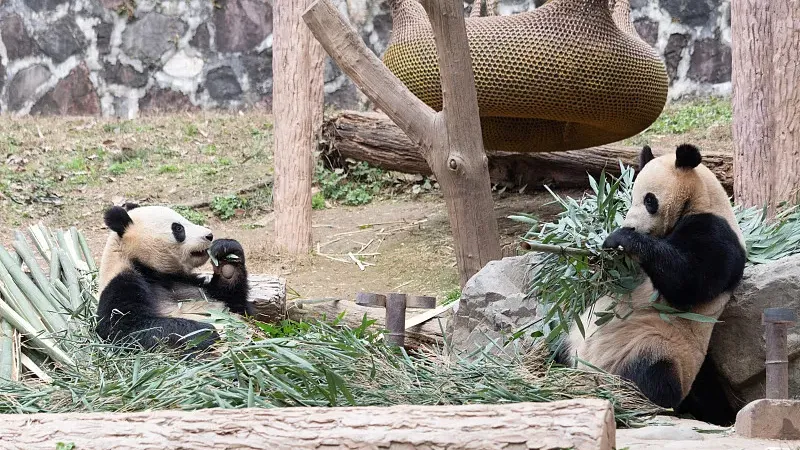
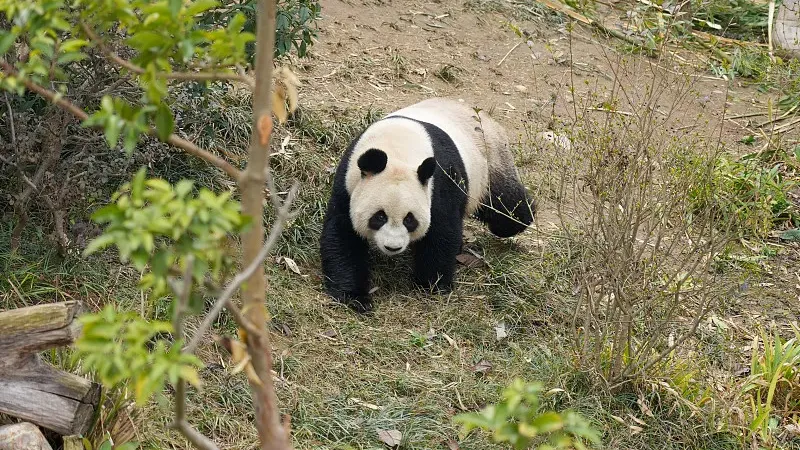
The ultimate goal of panda conservation is not more pandas in cages — it is more pandas in forests. Since 2006, China has been training captive-born pandas for release into the wild through a program that requires keepers to wear panda suits, mothers to teach cubs survival skills without human contact, and released pandas to navigate a world their ancestors knew but they have never seen. This is the story of the rewilding program — its heartbreaking early failures, its hard-won successes, and the panda mothers and cubs who are slowly learning to be wild again.
Global Panda Stamps and Gold Coins: A Collector's Visual Guide
Since 1963, pandas have appeared on over 500 postage stamps and the world's most prestigious gold coin series. This article explores the philatelic and numismatic history of pandas — from China's first panda stamp to the 1982 Panda Gold Coin that became one of the world's six major investment coins.
Join PandaCommon: Become a Citizen Scientist for Pandas
PandaCommon is more than a website — it's a growing community of panda enthusiasts, researchers, and citizen scientists who contribute to the world's most comprehensive panda knowledge base. This article invites readers to participate: suggest corrections, share observations, contribute photos, and help build the definitive digital archive of giant panda history.
Ruth Harkness and Su Lin: The First Panda to Reach the Western World
In 1936, American socialite Ruth Harkness traveled to China, captured a baby panda named Su Lin, and brought it to Brookfield Zoo — igniting the world's first 'panda fever.' This article tells the story of the woman, the cub, and the expedition that changed how the West saw pandas forever.
Smithsonian's 50-Year Panda Story: From Ling-Ling to Xiao Qi Ji
From 1972, when Ling-Ling and Hsing-Hsing arrived as gifts from Mao Zedong's China, to 2023, when Mei Xiang, Tian Tian, and Xiao Qi Ji returned home, the Smithsonian National Zoo in Washington D.C. hosted giant pandas continuously for half a century — the longest unbroken panda presence in the Western world. This article chronicles the science, the celebrity, and the emotional farewells of five decades of American panda diplomacy.
Japan's Panda Era: 54 Years of Ueno, Adventure World, and Kobe's Giant Pandas
From the 1972 arrival of diplomatic gifts Kang Kang and Lan Lan to the January 2026 departure of Xiao Xiao and Lei Lei, this guide traces every giant panda that has lived in Japan across three institutions — Ueno Zoo, Adventure World in Wakayama, and Kobe Oji Zoo — and explains why Japan, for the first time since 1972, now has none.
After the Earthquake: Wolong's Rebirth After the 2008 Wenchuan Disaster
On May 12, 2008, the 8.0-magnitude Wenchuan earthquake devastated the Wolong National Nature Reserve — the heart of global panda conservation. This article tells the story of what was lost, how pandas and keepers survived, and the decade-long international effort that rebuilt Wolong into the modern Shenshuping and Gengda bases that anchor the Giant Panda National Park today.
From WWF Logo to Olympic Mascot: How Panda Became the World's Strongest IP
The giant panda is the most recognizable animal symbol on Earth — the logo of the World Wildlife Fund since 1961, the face of the 2008 Beijing Olympics, and the star of a Hollywood film franchise that has grossed over $1.8 billion. This article traces the panda's journey from obscure mountain bear to global cultural icon, examining the design choices, the diplomatic moments, and the universal psychological appeal that make the panda an unmatched visual brand.