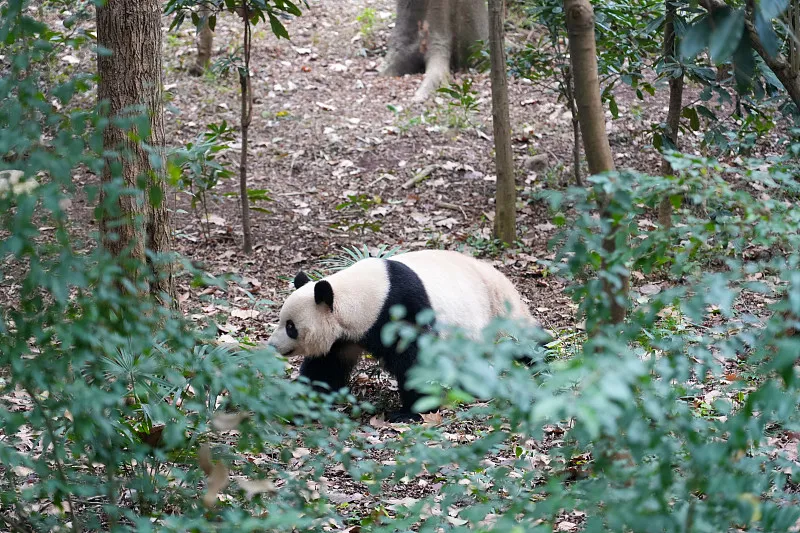
Join PandaCommon: Become a Citizen Scientist for Pandas
Key Fact: PandaCommon is not a static encyclopedia — it is a living knowledge base built and maintained by a global community of panda enthusiasts, researchers, and citizen scientists. Every correction submitted, every photograph shared, every observation reported contributes to the world’s most comprehensive digital archive of giant panda history. You don’t need a degree in zoology to contribute. You need accurate information, a passion for pandas, and a willingness to help build something larger than yourself.
Key Takeaways
-
PandaCommon is a community-built knowledge base — your contributions matter.
-
Anyone can participate — report errors, share news, contribute photos, suggest topics.
-
Citizen science is real conservation — your observations and knowledge directly improve the global understanding of pandas.
The panda database you’ve been exploring — the 663+ profiles, the 58 locations, the thousands of family relationships — did not build itself. It was built by people: researchers who spent decades in the field, keepers who recorded daily observations, and members of the public who noticed errors, suggested corrections, and shared knowledge.
PandaCommon continues this tradition. The knowledge base is never finished — new pandas are born, existing pandas move, records are refined, and occasionally, errors are discovered and corrected. Every contribution from the community makes the knowledge base more accurate, more complete, and more valuable for conservation.
How to Contribute
Report errors. Found an incorrect birth date? A missing sibling? Outdated location information? Use the feedback mechanism to report it. Include your source if possible.
Share news. Maintained a panda blog? Follow panda news closely? Your knowledge of recent events — births, transfers, health updates — helps keep the database current.
Contribute photos. Have high-quality photographs of pandas, with proper credits and permissions? Visual documentation enriches the knowledge base.
Spread the word. The more people who know about and use PandaCommon, the more valuable the platform becomes — for researchers, for conservation, and for panda enthusiasts worldwide.
Our article on the PandaCommon data methodology explains how all contributed information is verified before being incorporated.
Why It Matters
Every piece of accurate data matters. When a student writes a research paper, a journalist fact-checks an article, or a conservationist plans a breeding recommendation, they may be relying on data that you helped make accurate. Your contribution — however small it feels — is part of the global infrastructure of panda knowledge.
The panda knowledge base grows one contribution at a time. Yours could be the next one. Not because you’re the world’s greatest panda expert — but because you noticed something, checked something, shared something. That’s how knowledge is built. That’s how species are saved.