Quancheng Oulebao Animal Kingdom
0 active
china
36.7432, 116.8351
Quancheng Oulebao Animal Kingdom in Dezhou, Shandong Province, is a large theme park and zoo complex that houses several giant pandas.
View locationCountry archive
Country view in the panda archive
china appears in the archive through long-term conservation partnerships, local institutions, and the pandas connected to them.
How to use this page
Country pages work best as a mid-level hub: start with the institutions recorded here, then move into panda profiles, recent archive activity, and the reading connected to this geography.
Institution map
1 location recorded
Quancheng Oulebao Animal Kingdom in Dezhou, Shandong Province, is a large theme park and zoo complex that houses several giant pandas.
View locationPanda profiles
1 panda recorded
The active panda profiles tied to institutions in this country.
雅二
Ya Er (雅二, studbook #904) is a female giant panda born August 27, 2013 at the Chengdu Research Base. Daughter of Xing Ya...
View profileIn the library
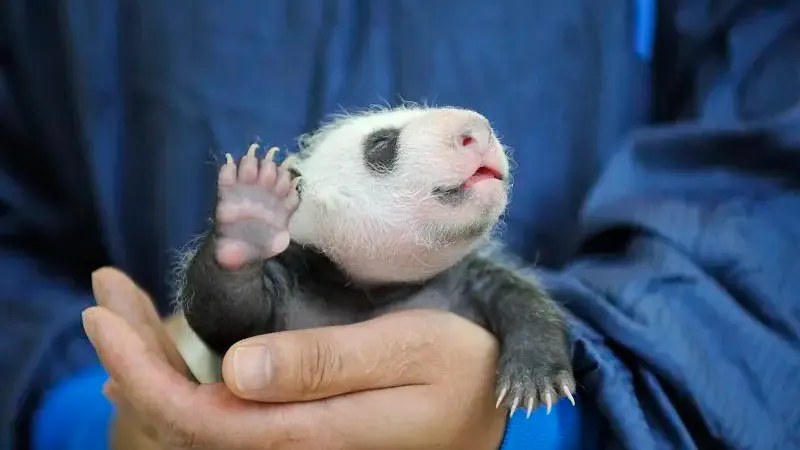
Every captive giant panda on Earth is recorded in a single global database — the International Studbook — which tracks lineage, calculates genetic relatedness, and determines each year's breeding recommendations. This article explains how studbook managers use population genetics software to maintain 90% genetic diversity across 700 captive pandas, making the panda breeding program one of the most mathematically sophisticated conservation efforts in history.
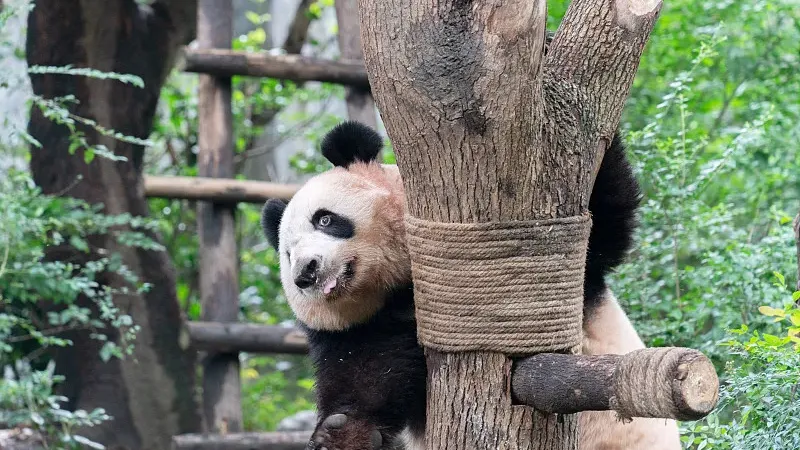
In 2009, an international team led by BGI-Shenzhen published the first complete giant panda genome — a 2.4 billion base-pair blueprint that revealed why pandas lost the taste for meat, how they digest bamboo with bacterial help, and why their genetic diversity offers hope for survival. This article follows the science from Jing Jing's blood sample to today's conservation genomics, covering TAS1R1 umami pseudogenization, the Illumina sequencing revolution, and what the genome means for the species' future.
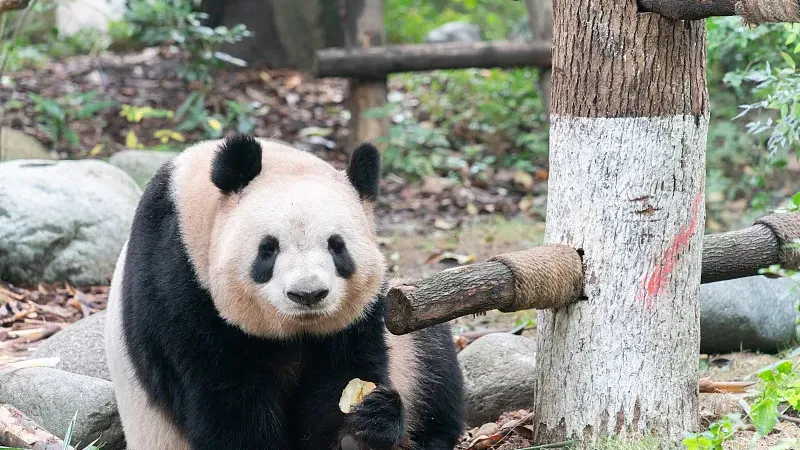
The bamboo forests protected for pandas store an estimated 2-3 billion tons of carbon across the Giant Panda National Park's 27,000 square kilometers — an ecosystem service worth $200-750 million annually in carbon sequestration alone. This article examines how panda conservation doubles as climate action, why bamboo forests rival tropical rainforests in per-hectare carbon storage, and how China's carbon market is creating new economic incentives for habitat protection.
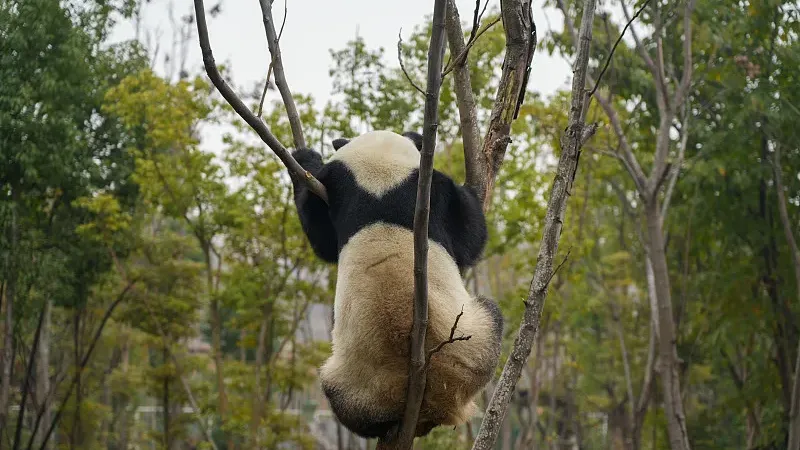
Every captive giant panda on Earth has a unique studbook number that maps directly to its parents, grandparents, offspring, and location history. This guide teaches you how to use the PandaCommon database to trace any panda's lineage — from Fu Bao back to Pan Pan in three generations — and explains what the studbook numbers reveal about genetic relationships, breeding history, and the hidden family connections that link pandas across continents.
Recent activity
This country has no linked update records in the archive so far.
Continue through the archive
Use this country page as a midpoint. From here, the most useful next step is usually a specific institution, a panda profile, or an article that explains the wider conservation context.