Brookfield Zoo
布鲁克菲尔德动物园
0 active
USA · Brookfield
41.8320, -87.8330
Brookfield Zoo, officially the Chicago Zoological Park, is where Su Lin — the first giant panda to reach the Western world — was displayed in 1937.
View locationCountry archive
Country view in the panda archive
USA appears in the archive through long-term conservation partnerships, local institutions, and the pandas connected to them.
How to use this page
Country pages work best as a mid-level hub: start with the institutions recorded here, then move into panda profiles, recent archive activity, and the reading connected to this geography.
Institution map
1 location recorded
布鲁克菲尔德动物园
Brookfield Zoo, officially the Chicago Zoological Park, is where Su Lin — the first giant panda to reach the Western world — was displayed in 1937.
View locationPanda profiles
0 pandas recorded
The archive does not yet connect panda profiles to institutions in USA.
In the library
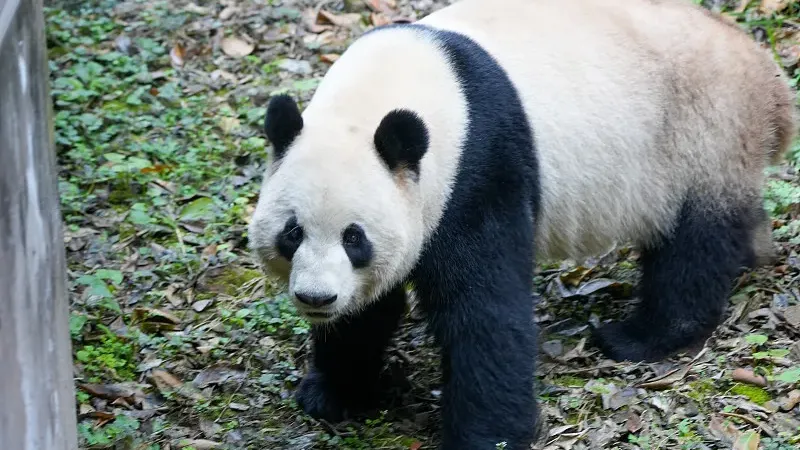
In 1936, American socialite Ruth Harkness traveled to China, captured a baby panda named Su Lin, and brought it to Brookfield Zoo — igniting the world's first 'panda fever.' This article tells the story of the woman, the cub, and the expedition that changed how the West saw pandas forever.
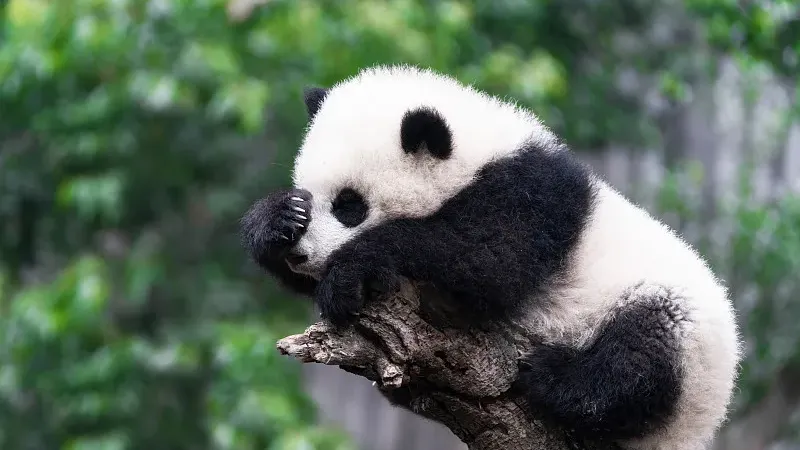
Panda merchandise has evolved from simple souvenirs into a sophisticated collector's market spanning vintage propaganda posters, limited-edition stamps, designer art toys, and luxury fashion collaborations. This article traces the history of panda collectibles through seven eras and explains what makes each category valuable.
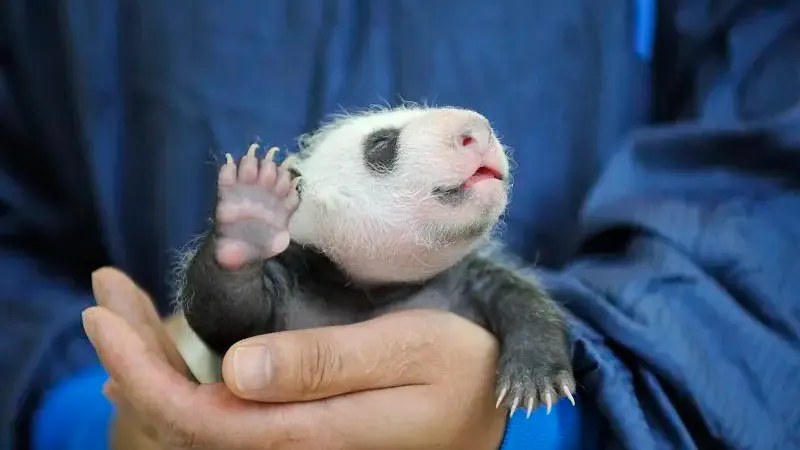
Every captive giant panda on Earth is recorded in a single global database — the International Studbook — which tracks lineage, calculates genetic relatedness, and determines each year's breeding recommendations. This article explains how studbook managers use population genetics software to maintain 90% genetic diversity across 700 captive pandas, making the panda breeding program one of the most mathematically sophisticated conservation efforts in history.
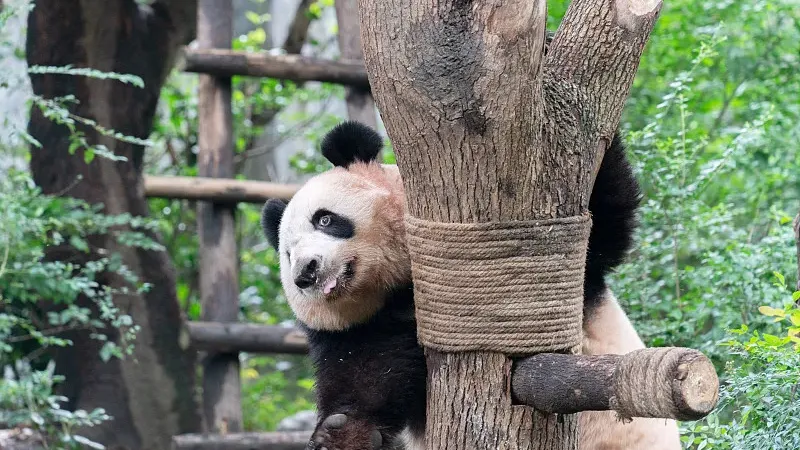
In 2009, an international team led by BGI-Shenzhen published the first complete giant panda genome — a 2.4 billion base-pair blueprint that revealed why pandas lost the taste for meat, how they digest bamboo with bacterial help, and why their genetic diversity offers hope for survival. This article follows the science from Jing Jing's blood sample to today's conservation genomics, covering TAS1R1 umami pseudogenization, the Illumina sequencing revolution, and what the genome means for the species' future.
Recent activity
This country has no linked update records in the archive so far.
Continue through the archive
Use this country page as a midpoint. From here, the most useful next step is usually a specific institution, a panda profile, or an article that explains the wider conservation context.