Ding Ding
丁丁
9 years old
Moscow Zoo
Ding Ding (丁丁), studbook #1087, is a female giant panda born on July 30, 2017 at the Wolong Shenshuping Base. Her mother...
captive-bred moscow-zoo russia
+2
View profile
Place archive
Moscow Zoo, the oldest zoo in Russia, was founded in 1864 by the Russian Imperial Society for the Acclimatization of Animals and Plants. Located in the Central Administrative Okrug of Moscow adjacent to the Moscow River, it currently houses more than 1,100 species including *Ailuropoda melanoleuca* (giant panda), *Panthera tigris altaica* (Amur tiger), *Grus leucogeranus* (Siberian crane), and *Pusa sibirica* (Baikal seal). It maintains formal accreditation from the European Association of Zoos and Aquaria (EAZA) and the World Association of Zoos and Aquariums (WAZA), with long-term research partnerships with Lomonosov Moscow State University and the Severtsov Institute of Ecology and Evolution of the Russian Academy of Sciences. In 2019, under the Sino-Russian Giant Panda Conservation Cooperation Program, giant pandas Ding Ding and Ru Yi arrived at the zoo from the China Conservation and Research Center for the Giant Panda in Dujiangyan, Sichuan. The 2023 birth of their male cub, named Katyusha following a public vote, marked the first successful giant panda birth in Russian territory, with the species listed as Vulnerable on the IUCN Red List and protected under Appendix I of CITES. The zoo’s panda breeding research team regularly exchanges data with specialists from the Chengdu Research Base of Giant Panda Bre
Moscow Zoo houses giant pandas under international loan agreement with the China Conservation and Research Center, as part of the cooperative panda diplomacy and ex-situ conservation network.
How this page is organized
This page gathers the residents linked to Moscow Zoo, the key moments recorded here, nearby institutions, and the articles that add context.
Resident archive
6 pandas recorded
The pandas currently recorded at this institution.
丁丁
Ding Ding (丁丁), studbook #1087, is a female giant panda born on July 30, 2017 at the Wolong Shenshuping Base. Her mother...
喀秋莎
Katyusha (喀秋莎), born on August 24, 2023 at Moscow Zoo, is the first giant panda ever born in Russia. Her parents are Din...
View profile如意
Ru Yi (如意), studbook #1021, is a male giant panda born on July 31, 2016 at the Ya'an Bifengxia Base. He traveled to Mosc...
如意
Ruyi (如意, studbook #899) is a male giant panda born July 31, 2016 at the China Conservation and Research Center for the ...
View profilePandas whose birth place is recorded as Moscow Zoo.
喀秋莎
Katyusha (喀秋莎), born on August 24, 2023 at Moscow Zoo, is the first giant panda ever born in Russia. Her parents are Din...
View profilePandas that were once linked to this institution.
安安
An An (安安) was a male giant panda gifted to the Soviet Union in 1959 as a mate for Ping Ping. He was the second panda se...
View profile平平
Ping Ping (平平) was the first giant panda gifted abroad by the People's Republic of China — the founding act of "Panda Di...
View profileGallery
Images and video connected to Moscow Zoo.
Images and video for Moscow Zoo will be added later.
Recorded moments
Katyusha was named through a public online vote in Moscow.
Read updateDing Ding arrived at Moscow Zoo alongside Ru Yi for a 15-year Sino-Russian conservation partnership.
Read updateIn the library
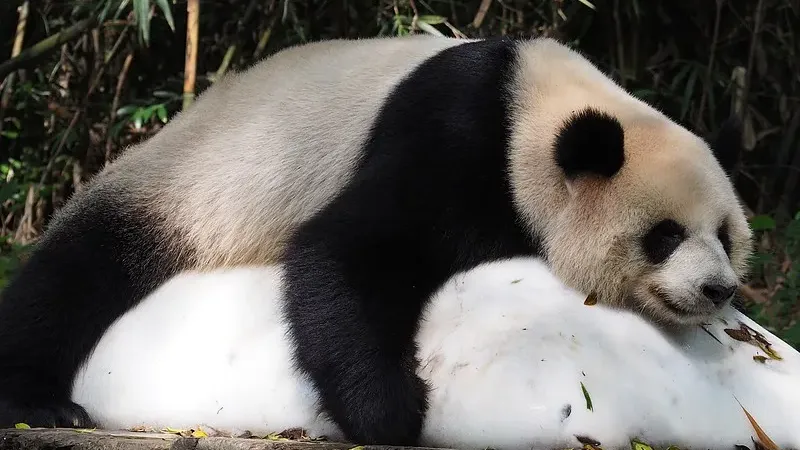
A curated global guide to over 50 panda documentaries spanning seven decades, seven thematic categories, and ten countries — from Pan Wenshi's raw Qinling field recordings in the 1990s to the 2024 Korean theatrical release Goodbye, Grandpa. Every film is verified, reviewed, and linked to the real pandas, keepers, and breeding centers behind the footage.
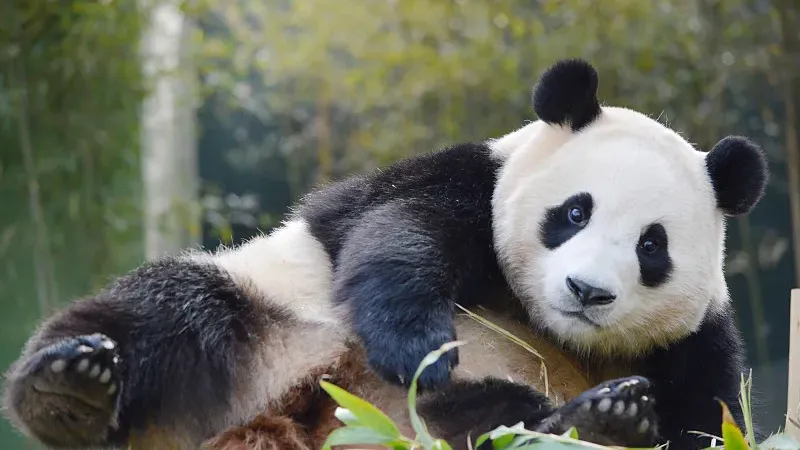
The giant panda diaspora spans 58 locations across continents — from the misty bamboo forests of Sichuan to climate-controlled enclosures in Singapore, from mountain reserves that shelter free-ranging pandas to urban zoos that host celebrities. This article provides the definitive guide to panda geography: where they live, why they're there, what the distribution reveals about conservation history, and how the map has changed from 1869 to today.
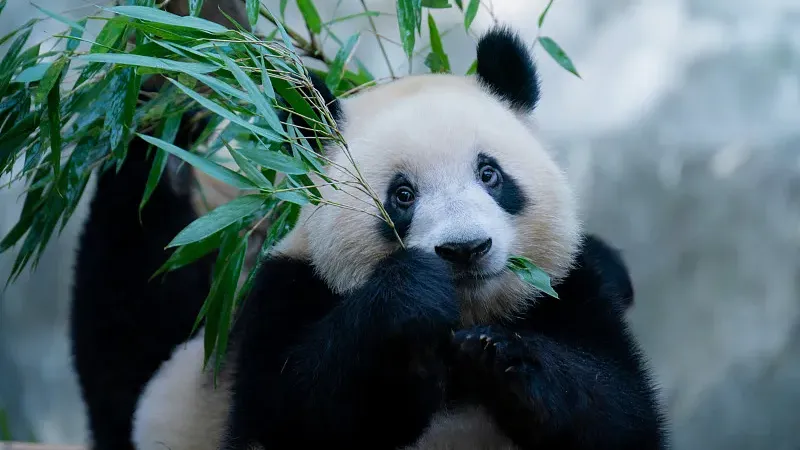
Trace the transformation of giant panda diplomacy from 1941, when Soong Mei-ling gifted the first pandas to America, through the landmark 1972 Nixon-era exchange, to today's international research loan agreements that channel millions of dollars annually into wild habitat conservation. This is the untold story of how a reclusive mountain bear became the world's most powerful diplomatic animal.
World map
Coordinates: 55.7618 N, 37.5772 E
Archive notes
Moscow Zoo, the oldest zoo in Russia, was founded in 1864 by the Russian Imperial Society for the Acclimatization of Animals and Plants. Located in the Central Administrative Okrug of Moscow adjacent to the Moscow River, it currently houses more than 1,100 species including Ailuropoda melanoleuca (giant panda), Panthera tigris altaica (Amur tiger), Grus leucogeranus (Siberian crane), and Pusa sibirica (Baikal seal). It maintains formal accreditation from the European Association of Zoos and Aquaria (EAZA) and the World Association of Zoos and Aquariums (WAZA), with long-term research partnerships with Lomonosov Moscow State University and the Severtsov Institute of Ecology and Evolution of the Russian Academy of Sciences.
In 2019, under the Sino-Russian Giant Panda Conservation Cooperation Program, giant pandas Ding Ding and Ru Yi arrived at the zoo from the China Conservation and Research Center for the Giant Panda in Dujiangyan, Sichuan. The 2023 birth of their male cub, named Katyusha following a public vote, marked the first successful giant panda birth in Russian territory, with the species listed as Vulnerable on the IUCN Red List and protected under Appendix I of CITES. The zoo’s panda breeding research team regularly exchanges data with specialists from the Chengdu Research Base of Giant Panda Bre