Xin Bao
鑫宝
6 years old
San Diego Zoo
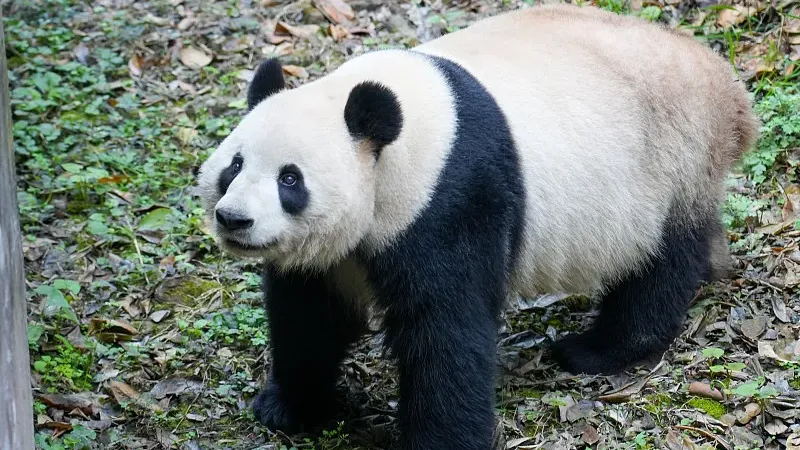
Xin Bao (鑫宝), is a female giant panda born on July 23, 2020, at the Wolong Shenshuping Base. She was selected alongside ...
captive-bred wolong-shenshuping san-diego-zoo
+2
View profile
Place archive
Operated by the San Diego Zoo Wildlife Alliance, the 100-acre San Diego Zoo is located in Balboa Park, San Diego, California, and is accredited by the Association of Zoos and Aquariums and the World Association of Zoos and Aquariums. It hosts over 3.2 million annual visitors, with iconic exhibits including Panda Canyon, African Rocks, and the Konrad Lorenz Rainforest of the World, home to 12,000+ animals representing 650+ species, including vulnerable koalas (Phascolarctos cinereus), critically endangered California condors (Gymnogyps californianus), and western lowland gorillas (Gorilla gorilla gorilla). Its giant panda (Ailuropoda melanoleuca) conservation program, run in partnership with the China Wildlife Conservation Association and Chengdu Research Base of Giant Panda Breeding, produced 6 surviving cubs between 1996 and 2019, including Hua Mei, the first giant panda cub born in the United States to survive to adulthood. The zoo
San Diego Zoo houses giant pandas under international loan agreement with the China Conservation and Research Center, as part of the cooperative panda diplomacy and ex-situ conservation network.
How this page is organized
This page gathers the residents linked to San Diego Zoo, the key moments recorded here, nearby institutions, and the articles that add context.
Resident archive
2 pandas recorded
The pandas currently recorded at this institution.
鑫宝
Xin Bao (鑫宝), is a female giant panda born on July 23, 2020, at the Wolong Shenshuping Base. She was selected alongside ...
云川
Yun Chuan (云川), studbook #1193, is a male giant panda born on July 28, 2019, at the Wolong Shenshuping Base. His mother ...
Gallery
Images and video connected to San Diego Zoo.
Images and video for San Diego Zoo will be added later.
Recorded moments
Xin Bao arrived at San Diego Zoo alongside Yun Chuan for a 10-year conservation partnership.
Read updateYun Chuan arrived at San Diego Zoo alongside Xin Bao for a 10-year conservation partnership.
Read updateXiao Liwu received his name at a naming ceremony, chosen from 7,000 suggestions.
Read updateIn the library
Deep in the laboratories of the San Diego Zoo Wildlife Alliance, vials of panda genetic material — sperm, eggs, tissue samples, cell lines — are preserved in liquid nitrogen at -196°C. This 'Frozen Zoo' is the world's largest wildlife biobank, and its panda collection represents a genetic insurance policy for the species. This article explores the science, the ethics, and the future potential of panda genetic preservation.
A curated global guide to over 50 panda documentaries spanning seven decades, seven thematic categories, and ten countries — from Pan Wenshi's raw Qinling field recordings in the 1990s to the 2024 Korean theatrical release Goodbye, Grandpa. Every film is verified, reviewed, and linked to the real pandas, keepers, and breeding centers behind the footage.
The giant panda diaspora spans 58 locations across continents — from the misty bamboo forests of Sichuan to climate-controlled enclosures in Singapore, from mountain reserves that shelter free-ranging pandas to urban zoos that host celebrities. This article provides the definitive guide to panda geography: where they live, why they're there, what the distribution reveals about conservation history, and how the map has changed from 1869 to today.
World map
Coordinates: 32.7353 N, 117.1490 W
Archive notes
Operated by the San Diego Zoo Wildlife Alliance, the 100-acre San Diego Zoo is located in Balboa Park, San Diego, California, and is accredited by the Association of Zoos and Aquariums and the World Association of Zoos and Aquariums. It hosts over 3.2 million annual visitors, with iconic exhibits including Panda Canyon, African Rocks, and the Konrad Lorenz Rainforest of the World, home to 12,000+ animals representing 650+ species, including vulnerable koalas (Phascolarctos cinereus), critically endangered California condors (Gymnogyps californianus), and western lowland gorillas (Gorilla gorilla gorilla). Its giant panda (Ailuropoda melanoleuca) conservation program, run in partnership with the China Wildlife Conservation Association and Chengdu Research Base of Giant Panda Breeding, produced 6 surviving cubs between 1996 and 2019, including Hua Mei, the first giant panda cub born in the United States to survive to adulthood.
The zoo