Table of contents (11 sections)
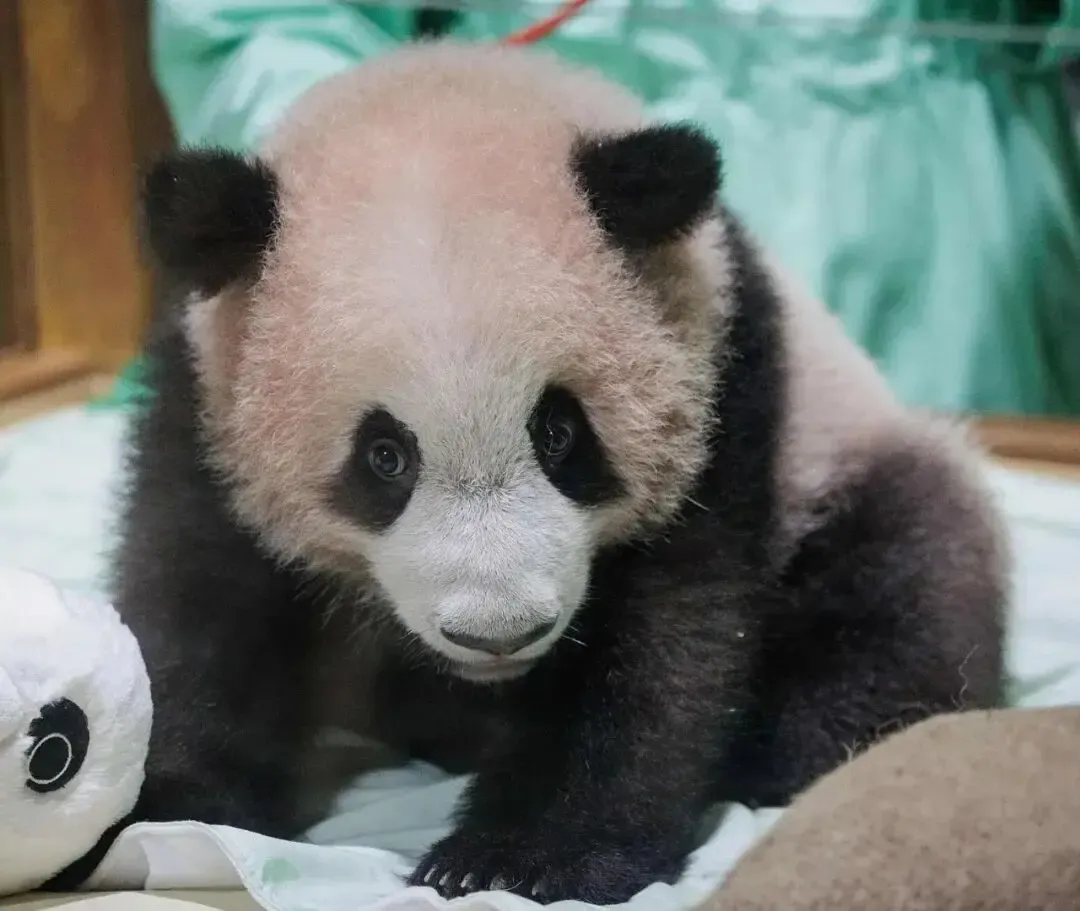
Rio: Indonesia’s First Homegrown Giant Panda
Key Fact: On November 27, 2025, a giant panda cub was born at Taman Safari Indonesia in Bogor, West Java — the first giant panda ever born in Indonesia. Named Satrio Wiratama (“noble knight”) personally by President Prabowo Subianto, and known to the world as Rio, he is the son of Cai Tao (778) and Hu Chun (794), the pair loaned from China in 2017. His birth after years of assisted breeding effort marks a historic milestone for panda conservation in Southeast Asia.
Key Takeaways
-
Rio is not just Indonesia’s first panda — he is the first panda ever born in the country’s history, a genetic and diplomatic achievement eight years in the making, from the 2017 arrival of his parents to his November 2025 birth.
-
His name was chosen by a head of state, not by a public contest. While most overseas panda cubs — from Thailand’s Lin Bing to Malaysia’s three daughters — received names through national naming contests, President Prabowo Subianto personally gave Rio the Javanese name Satrio Wiratama, a presidential gesture almost unheard of in panda diplomacy.
-
Rio’s birth was engineered through eight breeding interventions, not luck. Four natural mating attempts and four artificial inseminations, guided by a 24-hour remote expert team from China, succeeded where tropical climate and a narrow fertility window had made every previous attempt uncertain.
A Rainy Night in Bogor
The air in Bogor is heavy in late November. The rainy season has settled over West Java, and at the foot of Mount Salak, Taman Safari Indonesia sits wrapped in wet green — the constant drip of leaves, the low rumble of distant thunder, the smell of rain on warm earth. Inside the climate-controlled Panda Palace, the world narrowed to a single room: an incubator, a watchful veterinary team, and a female giant panda named Hu Chun.
I have followed Hu Chun’s file for years — through every failed breeding season, every veterinary report, every quiet update from the Sino-Indonesian team. So when the news broke that on November 27, 2025, at 17:31 local time, she had delivered a cub naturally, I felt the weight of all those years in a single exhale. Five days later the cub weighed 228 grams — smaller than a human hand, pink, blind, utterly dependent, and already historic.
The Parents Who Waited Eight Years
Rio’s story begins in 2017, when Cai Tao (彩陶, studbook #778) and Hu Chun (湖春, studbook #794) arrived in Indonesia — the first giant pandas ever to reside in the country, under a 10-year conservation loan marking the friendship between China and Indonesia. Both were born at the Ya’an Bifengxia Base in 2010, the same facility that hosts every panda returning from overseas.
| Detail | Cai Tao | Hu Chun |
|---|---|---|
| Role | Father (sire) | Mother (dam) |
| Studbook | 778 | 794 |
| Birth | 2010, Bifengxia | 2010, Bifengxia |
| Arrival in Indonesia | September 2017 | September 2017 |
| Contribution | Genetic sire of Rio | Carried and delivered Rio |
The challenge was never the pandas’ health — it was reproduction itself. Female giant pandas are fertile for only a few days per year, and tropical conditions add layers of complexity to an already delicate process. The veterinary team at Taman Safari Indonesia conducted four natural mating attempts and four artificial inseminations over multiple breeding seasons. Each failure was a lesson; each season, the window reopened for only days.
For eight years, the pairing produced no cub. In conservation circles, the quiet worry grew: would Indonesia ever see a homegrown panda? The keepers kept records, adjusted timing, and coordinated with Chinese experts on every estrus cycle. The patience required is part of what makes overseas breeding programs so expensive and so fragile — a reality documented in the history of panda diplomacy, where every success is preceded by years of unseen effort.
The Birth: Science and a 24-Hour Lifeline
In the final stretch, the China Conservation and Research Center for Giant Pandas established a specialized breeding guidance team on November 18, 2025, providing 24-hour online support through the last weeks of Hu Chun’s pregnancy. On November 27, Rio arrived — delivered naturally, at 17:31. A panda cub-rearing expert from the Panda Center landed in Indonesia three days later, on November 30, to join the nursery work directly.
The Debut: Ministers and an Ambassador
On January 6, 2026 — 40 days after birth — Rio left his incubator for the first time at the Panda Palace for a comprehensive health examination. The same day, Taman Safari Indonesia held a media conference to introduce Indonesia’s first locally born giant panda cub. Two dignitaries stood at the podium: Indonesian Forestry Minister Raja Juli Antoni and China’s Ambassador to Indonesia, Wang Lutong. Minister Antoni explained the chosen name to the assembled media: “Satrio” means knight — symbolizing bravery, nobility, and moral virtue.
By then Rio had shown steady weight gain and increasingly responsive behavior. The forest minister’s presence signaled something unusual: this cub was not just a zoo attraction, but a matter of national pride.
The Presidential Naming: A First in Panda Diplomacy
Most overseas-born pandas are named through public contests — Thailand’s Lin Bing from over 10,000 entries, Malaysia’s Nuan Nuan, Yi Yi and Sheng Yi through nationwide votes. Rio’s name took a different path.
On August 7, 2026, iPanda Channel reported that Indonesian President Prabowo Subianto had personally named the cub Satrio Wiratama — the Javanese “Satrio” meaning knight, symbolizing courage, nobility, and virtue, with “Wiratama” conveying heroic and honorable character. The nickname Rio (里奥) became the name the world uses.
| Naming Comparison | Thailand (Lin Bing) | Malaysia (Nuan Nuan) | Indonesia (Rio) |
|---|---|---|---|
| First cub born | 2009 | 2015 | 2025 |
| Naming method | Public contest (10,000+ entries) | National public contest | Named by the President personally |
| Name meaning | ”Forest of Ice" | "Warmth" | "Noble knight” (Satrio Wiratama) |
| Facility | Chiang Mai Zoo | Zoo Negara, Kuala Lumpur | Taman Safari Indonesia, Bogor |
A president personally naming a panda cub is a rare diplomatic gesture. It elevates Rio beyond the zoo enclosure — into the language of bilateral friendship, the same role panda names have played since the earliest days of panda diplomacy.
Growing Up in the Tropics
By May 2026 — about six months old — Rio was reported in excellent health under continuous veterinary monitoring, with all developmental indicators stable. Taman Safari Indonesia confirmed that care procedures strictly follow scientific protocols and international conservation standards.
The tropics are not an easy home for a bamboo bear. The same climate-control engineering that keeps Singapore’s and Malaysia’s pandas cool is at work in Bogor, and Rio’s birth proves what the region’s keepers have long believed: with the right facilities, tropical pandas can thrive. The story of how that infrastructure works is told in our deep dive on keeping pandas cool in Singapore and Malaysia.
For Indonesians, Rio’s arrival has been more than a zoo event. His debut drew the forestry minister and China’s ambassador to the same podium; his naming drew the president. Across the archipelago, conservation news rarely commands that level of attention — but a homegrown panda cub does. Taman Safari Indonesia has said it will gradually develop public display and science education programs around Rio as he grows, turning one cub into a lasting platform for wildlife awareness.
Did You Know? Three Misconceptions About Rio
“Rio was an accident — pandas just breed when they’re ready.” Wrong. Conception came after eight documented interventions — four natural matings and four artificial inseminations across multiple seasons — plus a dedicated 24-hour remote breeding guidance team in the final weeks. Every panda birth in the modern era is a managed achievement.
“Indonesia is a strange place for pandas — they belong in the mountains of Sichuan.” Rio’s ancestors do come from Sichuan, but his parents adapted to a carefully engineered environment. His birth adds Indonesia to a Southeast Asian success chain: Thailand (2009), Malaysia (2015), and now Indonesia (2025) — all tropical, all home to locally born pandas.
“Naming is just a formality.” For diplomats, naming is negotiation. Names carry meaning — warmth, friendship, rising friendship, and now, knighthood. A president choosing the name himself signals the highest level of political investment in the conservation partnership.
What Rio Means for Conservation
Rio’s significance extends beyond the cuteness of a growing cub:
- A geographic gap filled — Indonesia was the missing piece in the species’ captive breeding map of Southeast Asia; his birth completes a regional arc of conservation success.
- Proof of the assisted-reproduction model — the combination of natural mating, artificial insemination, and international 24/7 expert guidance demonstrated a reproducible playbook for tropical breeding programs.
- A new generation of public engagement — with ministers and a president attending to him, Rio has raised conservation awareness in Indonesia to a level no exhibition could achieve.
- The next chapter of the 10-year loan — his parents’ agreement, begun in 2017, has produced its first Indonesian-born heir, strengthening the case for continued cooperation. Under standard agreements, overseas-born cubs eventually return to China — but the years Rio spends in Bogor will shape both a country’s love for pandas and the species’ genetic future.
Frequently Asked Questions
Why is Rio’s name significant?
Satrio Wiratama is a Javanese name given personally by President Prabowo Subianto — a rare honor. “Satrio” means knight, symbolizing courage, nobility, and virtue; “Wiratama” conveys heroic and honorable character. It connects Rio to Indonesian culture while symbolizing friendship between China and Indonesia.
How many pandas live in Indonesia now?
Three: Rio and his parents, Cai Tao and Hu Chun, at Taman Safari Indonesia in Bogor. They are the only giant pandas in the country.
Was Rio born naturally or by artificial means?
He was delivered naturally — but conceived through a long assisted process. The team conducted four natural mating attempts and four artificial inseminations before conception succeeded, with round-the-clock expert support from China in the final weeks of pregnancy.
What was Rio’s birth weight?
Five days after birth, Rio weighed 228 grams — about half a pound, smaller than a human hand. Veterinary teams reported strong vital signs and normal developmental markers, and he has grown steadily since.
Can I visit Rio?
Taman Safari Indonesia in Bogor, West Java, is open to visitors and has announced plans to develop public display and science education programs around Rio as he grows. His current months remain under careful veterinary observation, with the park prioritizing the health of mother and cub.
Meet the Knight of Bogor
Rio is still a cub — wobbling, growing, discovering bamboo for the first time — but his story is already one for the history books. Follow his file in our panda archive as he grows, explore where all the world’s pandas live, and read about the names that carry panda diplomacy forward. A knight has been born in Indonesia — and his journey has only just begun.

Dr. Mei Zhang
Spatial Ecology & Conservation Editor
Spatial ecologist using GIS, remote sensing, and satellite imagery to study panda population dynamics, habitat connectivity, and conservation effectiveness at landscape scales.
View full profile →Tags in this article
Questions readers often ask
When and where was Rio born?
Rio was born on November 27, 2025 at 17:31 local time at Taman Safari Indonesia in Bogor, West Java — the first giant panda ever born in Indonesia. He is the son of Cai Tao (studbook 778) and Hu Chun (studbook 794).
What does Rio's full name, Satrio Wiratama, mean?
Satrio is a Javanese word meaning 'knight' — symbolizing courage, nobility, and virtue — while Wiratama conveys heroic and honorable character. The name was personally chosen and announced by Indonesian President Prabowo Subianto. The everyday nickname 'Rio' (里奥) is used around the world.
Who are Rio's parents, and how did they come to Indonesia?
Rio's father is Cai Tao (studbook 778) and his mother is Hu Chun (studbook 794), both born at the Ya'an Bifengxia Base in 2010. They arrived in Indonesia in September 2017 under a 10-year Sino-Indonesian conservation loan agreement and live at the Panda Palace at Taman Safari Indonesia.
Was Rio's birth easy to achieve?
No. Giant pandas have only one estrus cycle per year with an extremely narrow fertile window. Before Rio's conception, the veterinary team conducted four natural mating attempts and four artificial inseminations over multiple breeding seasons, with a 24-hour online breeding guidance team from China's Conservation and Research Center for Giant Pandas supporting the final weeks of the pregnancy.
Will Rio stay in Indonesia?
As of 2026, Rio continues to grow under veterinary care at Taman Safari Indonesia, with all developmental indicators stable. Overseas-born pandas typically return to China under the return clause of loan agreements; the exact timeline for Rio has not been announced. What is certain is that his first months have made history.