Xing Qiu
星秋
5 years old
Adelaide Zoo
Xing Qiu (星秋), is a male giant panda born on September 29, 2020 at the Chengdu Research Base. He was selected alongside ...
View profilePlace archive
Adelaide Zoo, operated by the Royal Zoological Society of South Australia, is located in the Adelaide city centre adjacent to the River Torrens Linear Park and Adelaide Botanic Garden, within the Mediterranean climate zone of South Australia. As an accredited member of the World Association of Zoos and Aquariums (WAZA) and Zoo and Aquarium Association (ZAA), it hosts over 2,500 animals representing 250 species, including the only two giant pandas (Ailuropoda melanoleuca) in Australasia, Wang Wang and Funi, on loan from the Chengdu Research Base of Giant Panda Breeding in Sichuan, China. The zoo’s Giant Panda Forest exhibit, opened in 2009, replicates the high-altitude bamboo forests of the Qionglai Mountains, supporting research on giant panda nutritional
Adelaide Zoo houses giant pandas under international loan agreement with the China Conservation and Research Center, as part of the cooperative panda diplomacy and ex-situ conservation network.
How this page is organized
This page gathers the residents linked to Adelaide Zoo, the key moments recorded here, nearby institutions, and the articles that add context.
Resident archive
2 pandas recorded
The pandas currently recorded at this institution.
星秋
Xing Qiu (星秋), is a male giant panda born on September 29, 2020 at the Chengdu Research Base. He was selected alongside ...
View profile怡兰
Yi Lan (怡兰), also known as Shu Chang (舒畅), is a female giant panda born August 10, 2021 at Wolong Shenshuping Base. Daug...
View profileGallery
Images and video connected to Adelaide Zoo.
Images and video for Adelaide Zoo will be added later.
Recorded moments
Wang Wang and Fu Ni arrived at Adelaide Zoo in Australia, becoming the first giant pandas to live in the Southern Hemisphere.
Read updateIn the library
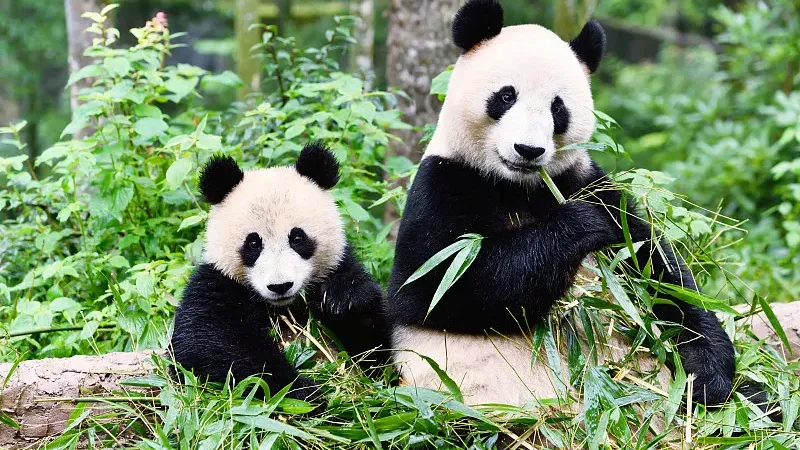
In Adelaide, Australia, when it's summer in China, it's winter — and vice versa. For giant pandas Wang Wang and Fu Ni, this meant their biological clocks were completely inverted. This article examines how Australia's only pandas adapted to life in the Southern Hemisphere, and what their experience reveals about panda behavioral flexibility, chronobiology, and the limits of environmental adaptation.
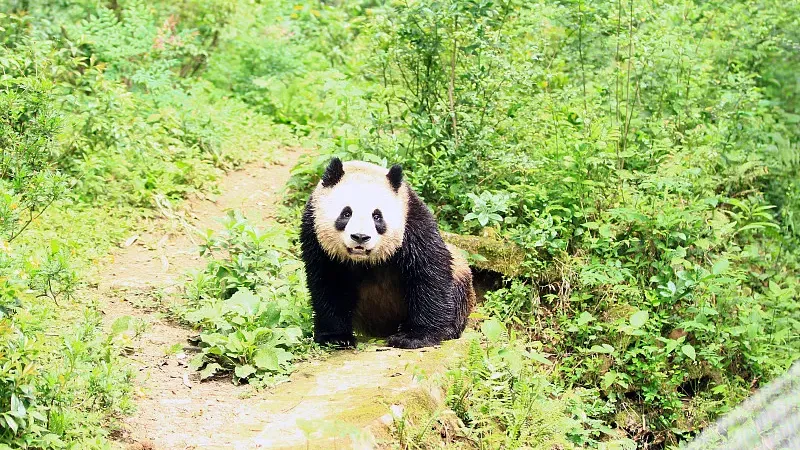
Giant pandas don't just live in China — they're animal ambassadors in zoos across the globe! Grab your imaginary passport and take a tour of the world's panda hotspots, from Washington D.C. to Tokyo to Berlin to Seoul. Discover which countries host pandas, what makes each panda home special, and how you can visit pandas near you!
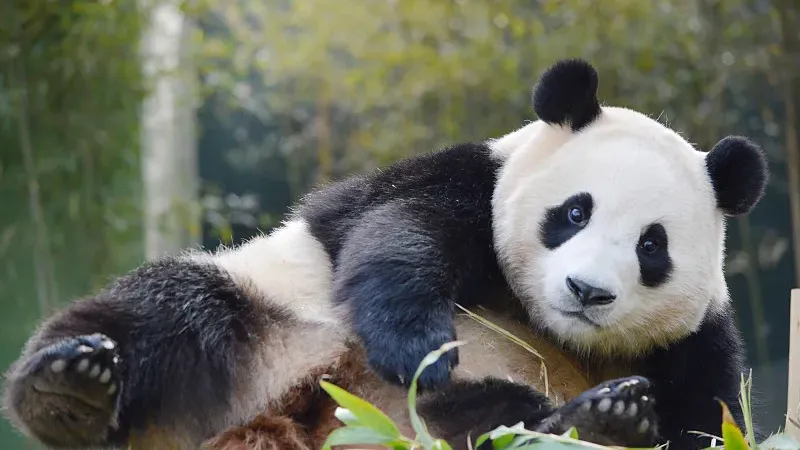
The giant panda diaspora spans 58 locations across continents — from the misty bamboo forests of Sichuan to climate-controlled enclosures in Singapore, from mountain reserves that shelter free-ranging pandas to urban zoos that host celebrities. This article provides the definitive guide to panda geography: where they live, why they're there, what the distribution reveals about conservation history, and how the map has changed from 1869 to today.
World map
Coordinates: 34.9142 S, 138.6056 E
Archive notes
Adelaide Zoo, operated by the Royal Zoological Society of South Australia, is located in the Adelaide city centre adjacent to the River Torrens Linear Park and Adelaide Botanic Garden, within the Mediterranean climate zone of South Australia. As an accredited member of the World Association of Zoos and Aquariums (WAZA) and Zoo and Aquarium Association (ZAA), it hosts over 2,500 animals representing 250 species, including the only two giant pandas (Ailuropoda melanoleuca) in Australasia, Wang Wang and Funi, on loan from the Chengdu Research Base of Giant Panda Breeding in Sichuan, China. The zoo’s Giant Panda Forest exhibit, opened in 2009, replicates the high-altitude bamboo forests of the Qionglai Mountains, supporting research on giant panda nutritional