Place archive

Melbourne Zoo

zoo Melbourne, Australia

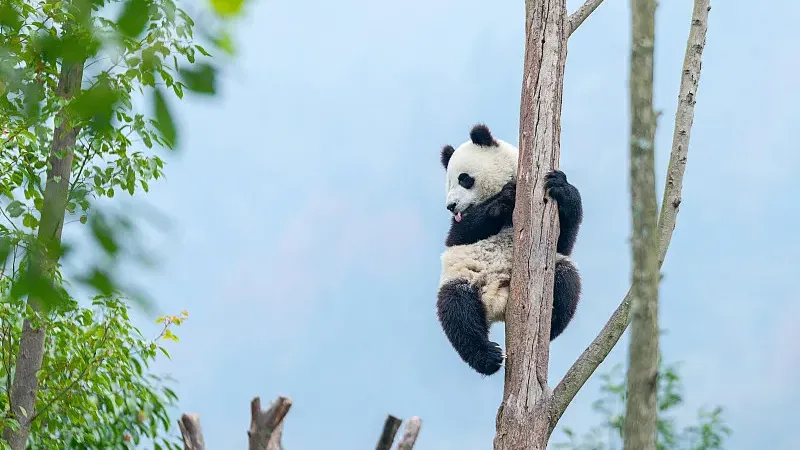
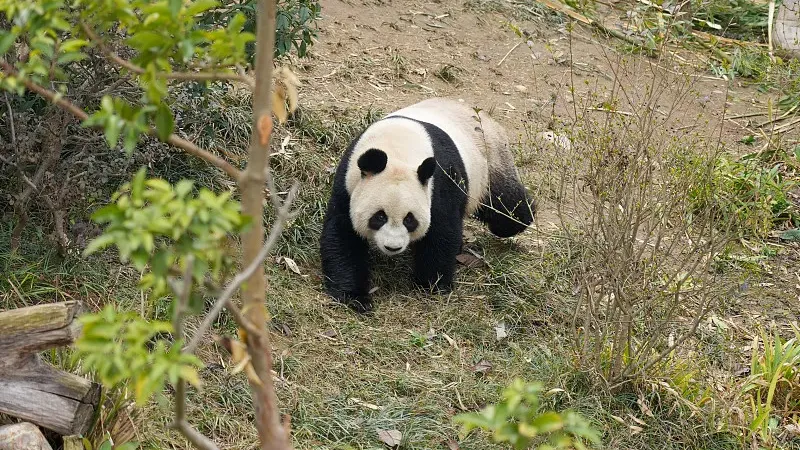
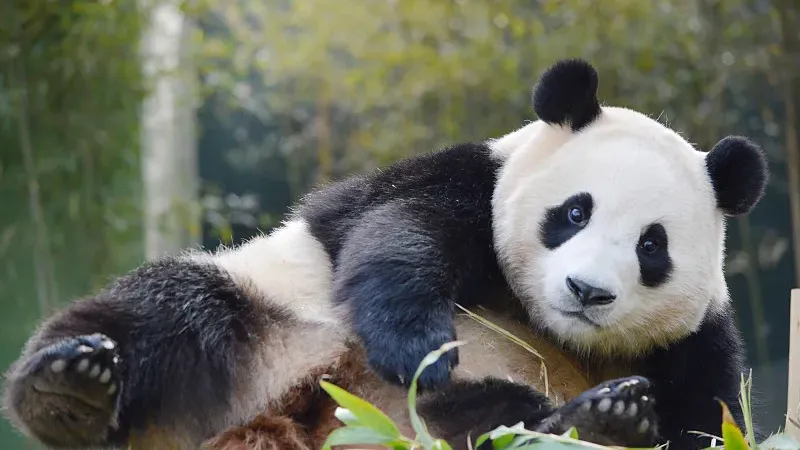
Melbourne Zoo, located in Parkville, Victoria, is Australia’s oldest continuously operating zoo, managed by Zoos Victoria alongside sister sites Werribee Open Range Zoo and Healesville Sanctuary. As a member of the World Association of Zoos and Aquariums, it participates in coordinated breeding programs for threatened species including the orange-bellied parrot (Neophema chrysogaster), one of Australia’s most endangered birds, and the Sumatran tiger (Panthera tigris sumatrae), listed as Critically Endangered by the International Union for Conservation of Nature (IUCN) and protected under Appendix I of the Convention on International Trade in Endangered Species of Wild Fauna and Flora (CITES). Its 2009 giant panda program, a partnership with the Chengdu Research Base of Giant Panda Breeding, hosted Wang Wang and Fu Ni for 15 years, supporting research into Ailuropoda melanoleuca nutrition and reproductive physiology alongside

How this page is organized

Start with the pandas, then move outward into the surrounding archive

This page gathers the residents linked to Melbourne Zoo, the key moments recorded here, nearby institutions, and the articles that add context.

Resident archive

Pandas connected to this place

0 pandas recorded

No pandas recorded yet

The archive does not yet list pandas connected to Melbourne Zoo.

Recorded moments

Archive timeline at Melbourne Zoo

View full timeline →
2006
Aug 31

Fu Ni transferred to melbourne_zoo

Fu Ni moved to melbourne_zoo.

Read update

In the library

Further reading on Melbourne Zoo

Browse library →
Cover image for "Do German Pandas Eat Sausages? Global Panda Snack Guide"
🐼 Kids 🐼 kids

Do German Pandas Eat Sausages? Global Panda Snack Guide

A panda in Berlin definitely does NOT eat bratwurst! But what DO pandas eat in different countries? From bamboo in France to apples in Korea to special panda cakes in Japan — discover what's on the menu for pandas around the world, and why one thing NEVER changes!

snacks food global +2
Read article
Cover image for "Global Panda Map: Where Can You See Pandas Around the World?"
🐼 Kids 🐼 kids

Global Panda Map: Where Can You See Pandas Around the World?

Giant pandas don't just live in China — they're animal ambassadors in zoos across the globe! Grab your imaginary passport and take a tour of the world's panda hotspots, from Washington D.C. to Tokyo to Berlin to Seoul. Discover which countries host pandas, what makes each panda home special, and how you can visit pandas near you!

map global zoos +2
Read article
Cover image for "What Does Extinction Mean? Why Every Kid Should Care About Pandas"
🐼 Kids 🐼 kids

What Does Extinction Mean? Why Every Kid Should Care About Pandas

What does it mean when an animal goes extinct? It means it disappears from the Earth FOREVER — like a book that can never be read again. Learn what extinction is, why pandas almost disappeared, how people saved them, and why protecting animals isn't just about pandas — it's about protecting our whole planet for everyone!

extinction conservation protection +2
Read article

World map

Where this place sits in the wider panda world

View full map →

📍 All Locations

Coordinates: 37.7844 S, 144.9515 E

Archive notes

About Melbourne Zoo

Melbourne Zoo, located in Parkville, Victoria, is Australia’s oldest continuously operating zoo, managed by Zoos Victoria alongside sister sites Werribee Open Range Zoo and Healesville Sanctuary. As a member of the World Association of Zoos and Aquariums, it participates in coordinated breeding programs for threatened species including the orange-bellied parrot (Neophema chrysogaster), one of Australia’s most endangered birds, and the Sumatran tiger (Panthera tigris sumatrae), listed as Critically Endangered by the International Union for Conservation of Nature (IUCN) and protected under Appendix I of the Convention on International Trade in Endangered Species of Wild Fauna and Flora (CITES). Its 2009 giant panda program, a partnership with the Chengdu Research Base of Giant Panda Breeding, hosted Wang Wang and Fu Ni for 15 years, supporting research into Ailuropoda melanoleuca nutrition and reproductive physiology alongside