
Jing Jing
京京
7 years old
Al Khor Panda House
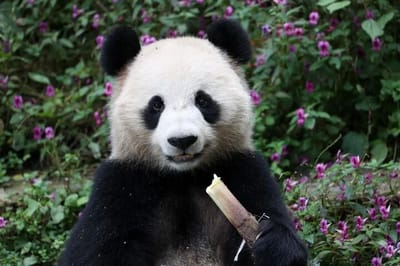
Jing Jing (京京), studbook #1166, also known by his Arabic name Suhail (苏海尔), is a male giant panda born on September 19, ...
captive-bred twin wolong-shenshuping
+3
View profile
Place archive
Al Khor Panda House is a giant panda conservation facility in Al Khor, Qatar, home to the breeding pair Si Hai and Jing Jing on loan from the Chengdu Research Base since 2022.
Al Khor Panda House houses giant pandas under international loan agreement with the China Conservation and Research Center, as part of the cooperative panda diplomacy and ex-situ conservation network.
How this page is organized
This page gathers the residents linked to Al Khor Panda House, the key moments recorded here, nearby institutions, and the articles that add context.
Resident archive
2 pandas recorded
The pandas currently recorded at this institution.
京京
Jing Jing (京京), studbook #1166, also known by his Arabic name Suhail (苏海尔), is a male giant panda born on September 19, ...
四海
Si Hai (四海), also known by her Arabic name Thuraya (索拉雅), is a female giant panda born on July 26, 2019, at the Wolong S...
Gallery
Images and video connected to Al Khor Panda House.
Recorded moments
In the library
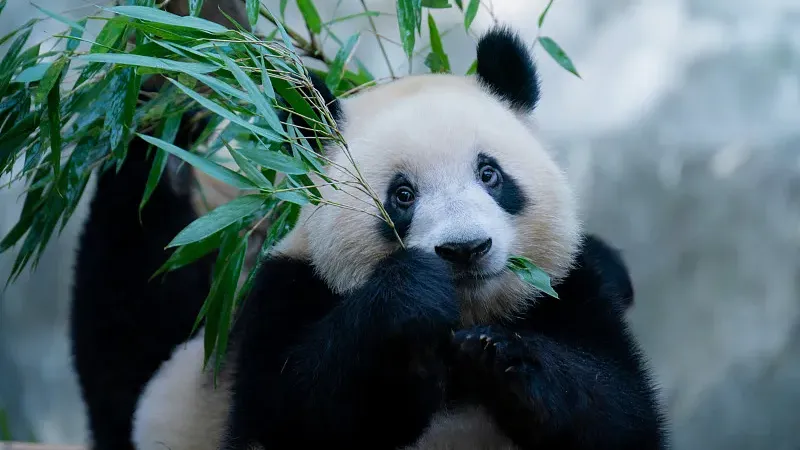
Trace the transformation of giant panda diplomacy from 1941, when Soong Mei-ling gifted the first pandas to America, through the landmark 1972 Nixon-era exchange, to today's international research loan agreements that channel millions of dollars annually into wild habitat conservation. This is the untold story of how a reclusive mountain bear became the world's most powerful diplomatic animal.
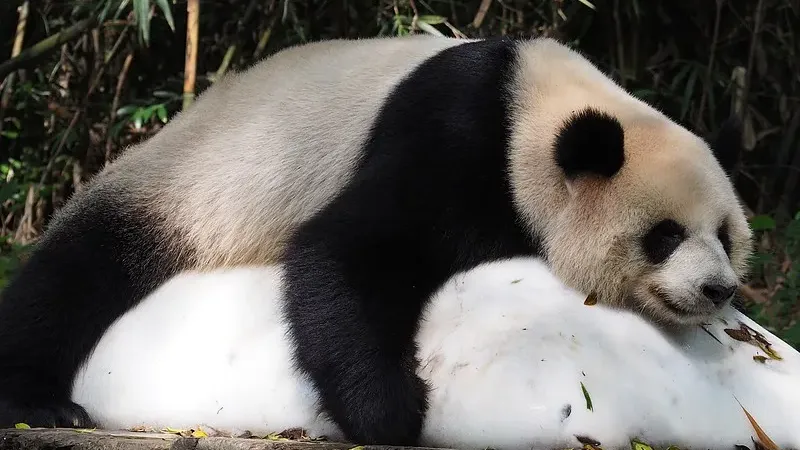
A curated global guide to over 50 panda documentaries spanning seven decades, seven thematic categories, and ten countries — from Pan Wenshi's raw Qinling field recordings in the 1990s to the 2024 Korean theatrical release Goodbye, Grandpa. Every film is verified, reviewed, and linked to the real pandas, keepers, and breeding centers behind the footage.
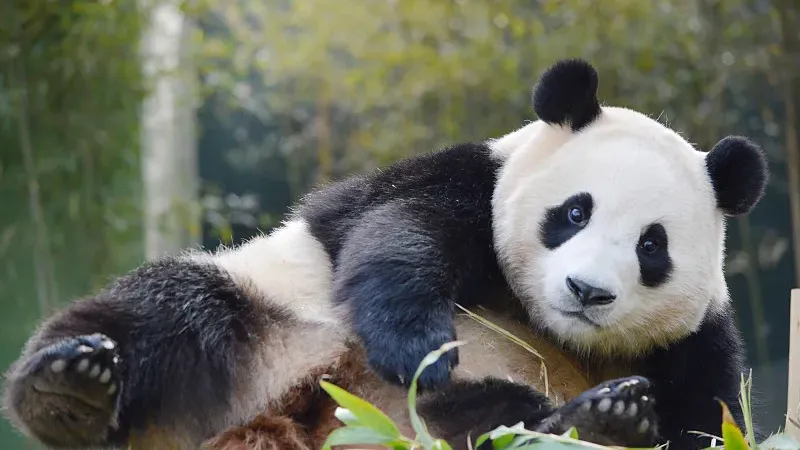
The giant panda diaspora spans 58 locations across continents — from the misty bamboo forests of Sichuan to climate-controlled enclosures in Singapore, from mountain reserves that shelter free-ranging pandas to urban zoos that host celebrities. This article provides the definitive guide to panda geography: where they live, why they're there, what the distribution reveals about conservation history, and how the map has changed from 1869 to today.
World map
Coordinates: 25.6841 N, 51.4912 E
Archive notes
Al Khor Panda House is a specialized giant panda conservation facility located in Al Khor, Qatar, opened in 2022 to coincide with the FIFA World Cup Qatar 2022 as a landmark project of Sino-Qatari cultural and environmental cooperation. Operated under the governance of Qatar Museums, the facility is home to Ailuropoda melanoleuca individuals Si Hai and Jing Jing, a breeding pair loaned from the Chengdu Research Base of Giant Panda Breeding under a 15-year international conservation agreement. The design of its exhibits draws on ecological data from the Min Mountains of Sichuan, China, the core native habitat of wild giant pandas, to replicate the temperate bamboo forest conditions the species requires, while adapting to Qatar's hot desert climate with full temperature and humidity control systems.
The facility partners with the Qatar University Environmental Science Center and the IUCN Species Survival Commission Bear Specialist Group to conduct long-term research on giant panda adaptive physiology in arid regions, contributing to global conservation strategies for the species currently listed as Vulnerable on the IUCN Red List and included in Appendix I of CITES. Its educational programs collaborate with the Qatar Ministry of Environment and Climate Change to deliver public outreach on giant panda conservation, bamboo ecosystem protection, and global biodiversity preservation.
The panda house forms part of the larger Al Khor Park, a 240-acre zoological institution in Al Khor Municipality. Beyond the Giant Panda Pavilion, the park is also home to the Arabian Oryx Sanctuary, a 25-acre semi-wild desert habitat supporting a breeding population of the Arabian oryx (Oryx leucoryx) through collaborative reintroduction programs, and the Avian Diversity Hall, a walk-through aviary with a migratory bird tracking lab and a raptor rehabilitation unit.
Built specifically to welcome the pair at a reported cost of around RMB 360 million (approximately QAR 180 million), the facility spans roughly 110,000 to 120,000 square metres, with climate-controlled indoor and outdoor habitats, constant-temperature pools, and misted greenery that replicate the pandas' native Sichuan conditions. Ongoing care is equally substantial: about 800 kg of fresh bamboo is air-freighted from Sichuan to Doha every week, supported by dedicated Chinese and Qatari husbandry and veterinary teams, and daily visitor numbers are capped at around 300 to protect the pandas' wellbeing.