Jin Xi
金喜
6 years old
Zoo Aquarium de Madrid
Jin Xi (金喜) is a male giant panda born September 1, 2020 at the Chengdu Research Base. He has a twin sister named Jin Sh...
View profilePlace archive
Zoo Aquarium de Madrid, located in the 1,700-hectare Casa de Campo Park in the Comunidad de Madrid, is one of the oldest continuously operating zoological institutions in Europe, managed by entertainment group Parques Reunidos and accredited by the European Association of Zoos and Aquaria (EAZA), Iberian Association of Zoos and Aquaria (AIZA), and World Association of Zoos and Aquariums (WAZA). It hosts over 6,000 animals representing 50
Zoo Aquarium de Madrid houses giant pandas under international loan agreement with the China Conservation and Research Center, as part of the cooperative panda diplomacy and ex-situ conservation network.
How this page is organized
This page gathers the residents linked to Zoo Aquarium de Madrid, the key moments recorded here, nearby institutions, and the articles that add context.
Resident archive
4 pandas recorded
The pandas currently recorded at this institution.
金喜
Jin Xi (金喜) is a male giant panda born September 1, 2020 at the Chengdu Research Base. He has a twin sister named Jin Sh...
View profile金喜
Jin Xi (金喜), studbook #1246, is a male giant panda born on September 1, 2020, at the Chengdu Research Base. His mother i...
庆茱萸
Qing Zhu Yu (庆茱萸), also known as Zhu Yu or Guo Guo, is a female giant panda born October 25, 2020 at Chengdu Base. Twin ...
Pandas whose birth place is recorded as Zoo Aquarium de Madrid.
竹琳
Zhu Lin (竹琳) was the first giant panda born in Europe through artificial insemination to survive. Born September 4, 1982...
View profilePandas that were once linked to this institution.
竹琳
Zhu Lin (竹琳) was the first giant panda born in Europe through artificial insemination to survive. Born September 4, 1982...
View profileGallery
Images and video connected to Zoo Aquarium de Madrid.
Images and video for Zoo Aquarium de Madrid will be added later.
Recorded moments
Jin Xi and Zhu Yu arrived at Madrid Zoo, beginning a new 10-year China-Spain panda conservation program.
Read updateIn the library
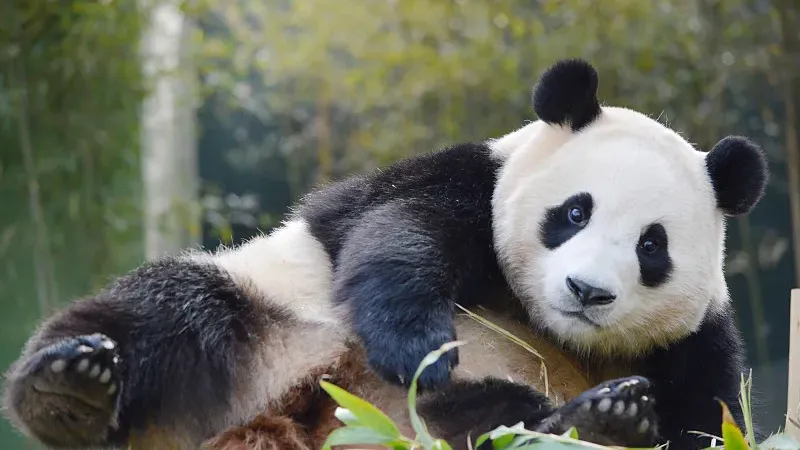
The giant panda diaspora spans 58 locations across continents — from the misty bamboo forests of Sichuan to climate-controlled enclosures in Singapore, from mountain reserves that shelter free-ranging pandas to urban zoos that host celebrities. This article provides the definitive guide to panda geography: where they live, why they're there, what the distribution reveals about conservation history, and how the map has changed from 1869 to today.
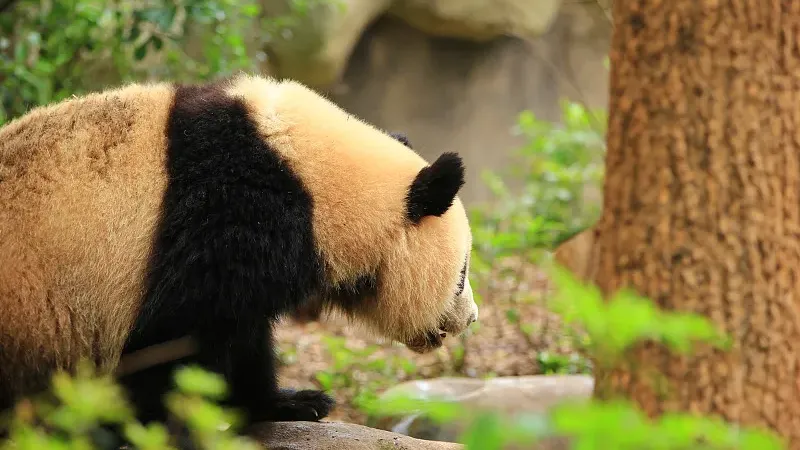
Since 1978, when King Juan Carlos I returned from China with two giant pandas as a diplomatic gift, Spain has maintained one of Europe's longest continuous panda programs. This article traces the full story — from Shao-Shao and Chang-Chang to Chu-Lin (Europe's first captive-born panda) — and the deep cultural bond between Spain and its pandas.
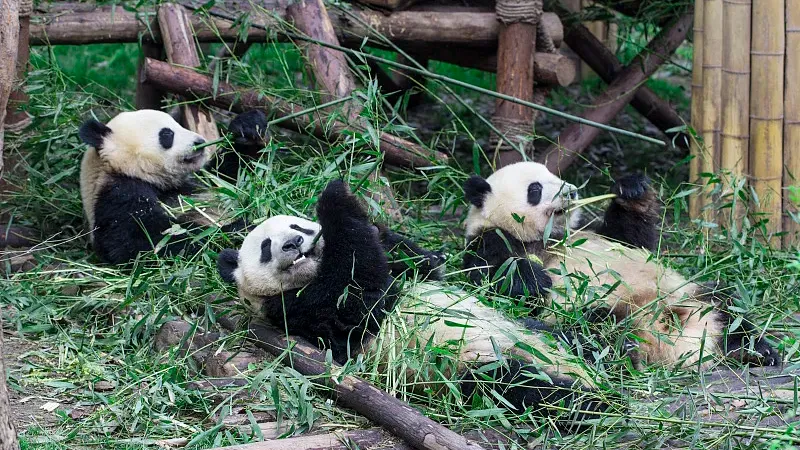
Every panda in a European zoo eats 12-38 kilograms of fresh bamboo daily — none of which grows naturally in European forests. This article traces the hidden logistics infrastructure: dedicated plantations in southern France, weekly refrigerated truck deliveries crossing borders, the economics of panda food, and the emergency networks that keep pandas fed when supply chains break.
World map
Coordinates: 40.4089 N, 3.7622 W
Archive notes
Zoo Aquarium de Madrid, located in the 1,700-hectare Casa de Campo Park in the Comunidad de Madrid, is one of the oldest continuously operating zoological institutions in Europe, managed by entertainment group Parques Reunidos and accredited by the European Association of Zoos and Aquaria (EAZA), Iberian Association of Zoos and Aquaria (AIZA), and World Association of Zoos and Aquariums (WAZA). It hosts over 6,000 animals representing 50