Place archive

Tiergarten Schönbrunn

zoo Vienna, Austria

Tiergarten Schönbrunn, located in Vienna, Austria, is the world’s oldest continuously operating zoo, founded in 1752 under the Habsburg monarchy by Emperor Francis I. It hosts over 700 species, including critically endangered individuals such as the Yangtze finless porpoise (Neophocaena asiaeorientalis asiaeorientalis), Sumatran orangutan (Pongo abelii), and northern white rhinoceros (Ceratotherium simum cottoni), with all holdings managed in alignment with CITES appendices and IUCN Red List guidelines. The zoo’s 17-hectare grounds sit adjacent to the 18th-century Schönbrunn Palace, a UNESCO World Heritage Site, and are framed by the eastern foothills of the Alps to the west and the Danube River floodplain to the

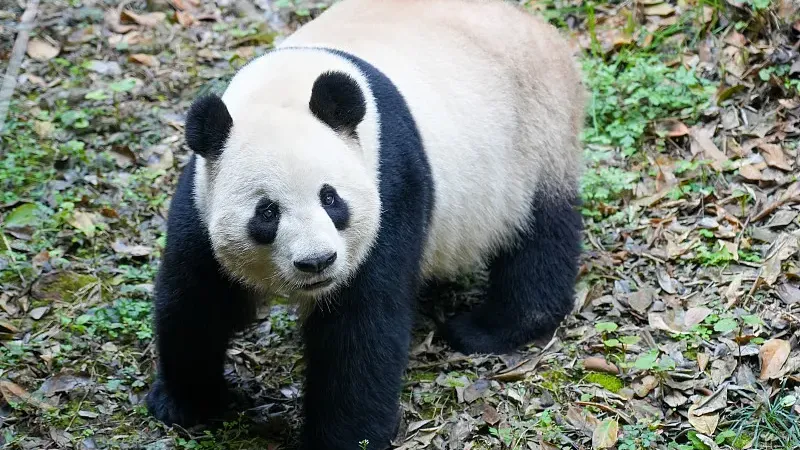
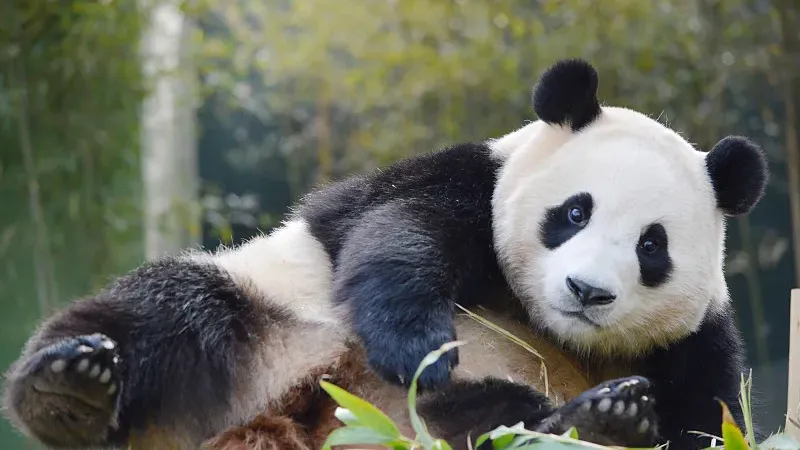
Tiergarten Schönbrunn houses giant pandas under international loan agreement with the China Conservation and Research Center, as part of the cooperative panda diplomacy and ex-situ conservation network.

How this page is organized

Start with the pandas, then move outward into the surrounding archive

This page gathers the residents linked to Tiergarten Schönbrunn, the key moments recorded here, nearby institutions, and the articles that add context.

Resident archive

Pandas connected to this place

0 pandas recorded

No pandas recorded yet

The archive does not yet list pandas connected to Tiergarten Schönbrunn.

Recorded moments

Archive timeline at Tiergarten Schönbrunn

No timeline entries yet

No update records have been linked to Tiergarten Schönbrunn so far.

In the library

Further reading on Tiergarten Schönbrunn

Browse library →
Cover image for "Where Pandas Live: The Complete Global Distribution Guide"
Featured
Culture 📚 general

Where Pandas Live: The Complete Global Distribution Guide

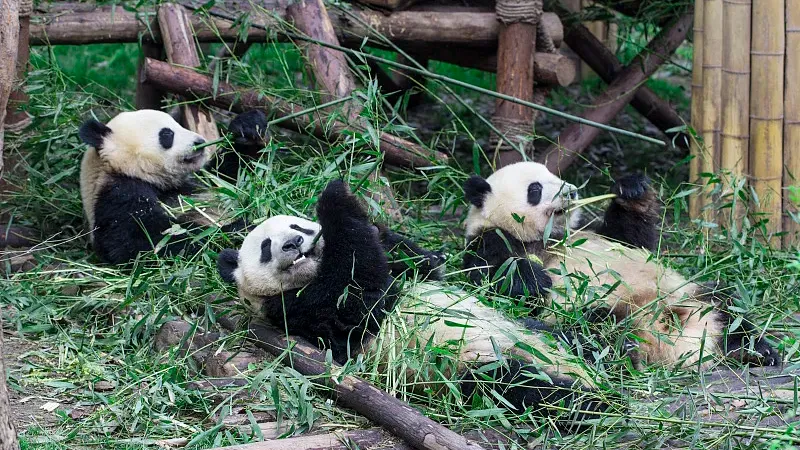
The giant panda diaspora spans 58 locations across continents — from the misty bamboo forests of Sichuan to climate-controlled enclosures in Singapore, from mountain reserves that shelter free-ranging pandas to urban zoos that host celebrities. This article provides the definitive guide to panda geography: where they live, why they're there, what the distribution reveals about conservation history, and how the map has changed from 1869 to today.

distribution geography locations +4
Read article
Cover image for "Feeding Pandas Across Europe: The Transnational Bamboo Supply Chain"
Nature 📚 general

Feeding Pandas Across Europe: The Transnational Bamboo Supply Chain

Every panda in a European zoo eats 12-38 kilograms of fresh bamboo daily — none of which grows naturally in European forests. This article traces the hidden logistics infrastructure: dedicated plantations in southern France, weekly refrigerated truck deliveries crossing borders, the economics of panda food, and the emergency networks that keep pandas fed when supply chains break.

1 panda
europe bamboo supply-chain +3
Read article
Cover image for "Vienna's Miracle: How Schönbrunn Zoo Achieves Natural Panda Mating"
Nature 📚 general

Vienna's Miracle: How Schönbrunn Zoo Achieves Natural Panda Mating

The Schönbrunn Zoo in Vienna is the only zoo in Europe where giant pandas have consistently achieved natural mating without artificial insemination. This article examines the environmental, behavioral, and husbandry factors — enclosure design, minimal human interference, seasonal light cycling — that have made Vienna the global model for natural panda reproduction.

3 pandas
vienna natural-mating breeding +3
Read article

World map

Where this place sits in the wider panda world

View full map →
Click a marker to open the place page Panda counts reflect current archive records

📍 All Locations

Coordinates: 48.1822 N, 16.3027 E

Archive notes

About Tiergarten Schönbrunn

Tiergarten Schönbrunn, located in Vienna, Austria, is the world’s oldest continuously operating zoo, founded in 1752 under the Habsburg monarchy by Emperor Francis I. It hosts over 700 species, including critically endangered individuals such as the Yangtze finless porpoise (Neophocaena asiaeorientalis asiaeorientalis), Sumatran orangutan (Pongo abelii), and northern white rhinoceros (Ceratotherium simum cottoni), with all holdings managed in alignment with CITES appendices and IUCN Red List guidelines. The zoo’s 17-hectare grounds sit adjacent to the 18th-century Schönbrunn Palace, a UNESCO World Heritage Site, and are framed by the eastern foothills of the Alps to the west and the Danube River floodplain to the