Bao Bao Second
宝宝
5 years old
Chimelong Safari Park
Bao Bao Second is a female giant panda born on 2021-08-01 at Chimelong Safari Park in Guangzhou, China. She is listed as...
View profilePlace archive
Chimelong Safari Park, located in Panyu District, Guangzhou, Guangdong Province, is one of the largest zoological institutions in southern China, holding full accreditation from both the World Association of Zoos and Aquariums (WAZA) and the China Association of Zoological Gardens (CAZG). The park hosts more than 500 species and 20,000 individual animals, including critically endangered *Ailuropoda melanoleuca* (giant panda), endangered *Panthera tigris tigris* (Bengal tiger) white variant, *Gavialis gangeticus* (gharial), and *Elephas maximus* (Asian elephant), all listed in CITES Appendix I. It maintains close breeding and research partnerships with the China Conservation and Research Center for the Giant Panda (CCRCGP) based in Wolong National Nature Reserve, Sichuan Province, and the Wildlife Conservation Society (WCS) China Program. The park's 2000-acre grounds feature a unique self-drive safari zone that replicates natural
Chimelong Safari Park houses giant pandas under international loan agreement with the China Conservation and Research Center, as part of the cooperative panda diplomacy and ex-situ conservation network.
How this page is organized
This page gathers the residents linked to Chimelong Safari Park, the key moments recorded here, nearby institutions, and the articles that add context.
Resident archive
27 pandas recorded
The pandas currently recorded at this institution.
宝宝
Bao Bao Second is a female giant panda born on 2021-08-01 at Chimelong Safari Park in Guangzhou, China. She is listed as...
View profile华宁
Hua Ning Second is a female giant panda born on 2022-07-30 at Guangzhou Chimelong Safari Park. She is listed as studbook...
View profile华星
Hua Xing Second is a female giant panda born on 2022-09-30 at Guangzhou Chimelong Safari Park. She is registered as stud...
View profile华月
Hua Yue is a female giant panda born on 2021-07-28 at Guangzhou Chimelong Safari Park. She is registered as studbook num...
View profile华云
Hua Yun Second is a female giant panda born on 2022-11-15 at Guangzhou Chimelong Safari Park. She is registered under st...
View profile酷酷
Ku Ku (酷酷, studbook #923) is a male giant panda born July 29, 2014 at Chimelong Safari Park — the third-born of the worl...
View profilePandas whose birth place is recorded as Chimelong Safari Park.
宝宝
Bao Bao Second is a female giant panda born on 2021-08-01 at Chimelong Safari Park in Guangzhou, China. She is listed as...
View profile华宁
Hua Ning Second is a female giant panda born on 2022-07-30 at Guangzhou Chimelong Safari Park. She is listed as studbook...
View profile华星
Hua Xing Second is a female giant panda born on 2022-09-30 at Guangzhou Chimelong Safari Park. She is registered as stud...
View profilePandas that were once linked to this institution.
家和
Jia He (家和, studbook #972) is a male giant panda born August 15, 2015 at Ya'an Bifengxia Base. Son of Jin Xin, he was se...
View profileGallery
Images and video connected to Chimelong Safari Park.
Recorded moments
Ting Zai showed loss of appetite, lethargy, coughing and fever. A multidisciplinary team including China Agricultural University and Sun Yat-sen Memorial Hospital treated him. His condition stabilized.
Read updateKeepers prepared special wowotou mooncakes made from bamboo powder, rice flour, and corn flour for Mei Zhu to introduce her to traditional Mid-Autumn Festival customs.
Read updateMei Zhu took part in Chimelong's animal games gymnastics event, demonstrating flexibility and coordination inherited from her mother Meng Meng.
Read updateMei Zhu celebrated her first birthday at Chimelong, receiving a symbolic "household registration booklet" and the "Miracle Continuation Award." She was appointed "National Treasure Tour Guide" for conservation education. In the zhua Zhou ceremony, she chose the carrot key. Weight reached 27.1 kg. As the only surviving 2024 cub of CCRCGP, her milestone was widely celebrated.
Read updateMei Zhu's enclosure was renovated and upgraded with a traditional Cantonese "moving-in ceremony" (入伙仪式), featuring a lion dance troupe performing dotting the eyes, plucking greens, and spreading blessings.
Read updateMei Zhu celebrated her half-year milestone — weight 10.88kg, body length 65cm, tail length 9.5cm, with 24 neat milk teeth fully grown.
Read updateMei Zhu celebrated her 100-day milestone (百日宴) at Chimelong, weighing 5,650 grams with 13 deciduous teeth grown.
Read updateChimelong held an official ceremony to unveil Mei Zhu's IP character image (IP形象), marking her growing status as a cultural icon at the park.
Read updateTing Zai celebrated his 6th birthday at Chimelong with an ice bed cooling station and parallel bar enrichment toys.
Read updateIn the library
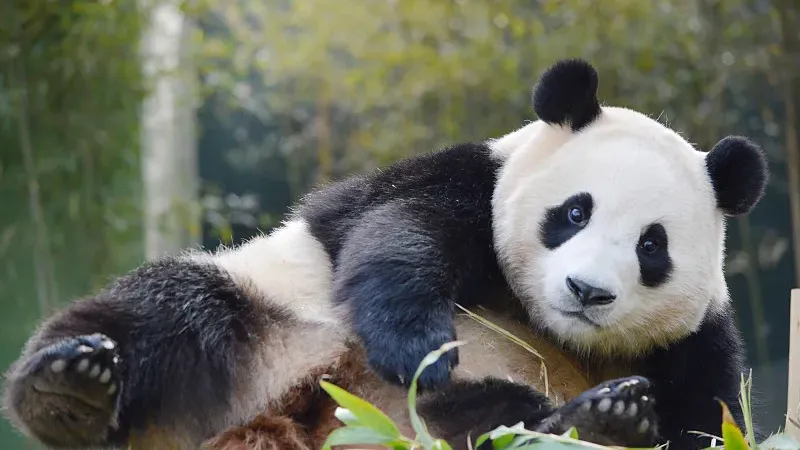
The giant panda diaspora spans 58 locations across continents — from the misty bamboo forests of Sichuan to climate-controlled enclosures in Singapore, from mountain reserves that shelter free-ranging pandas to urban zoos that host celebrities. This article provides the definitive guide to panda geography: where they live, why they're there, what the distribution reveals about conservation history, and how the map has changed from 1869 to today.
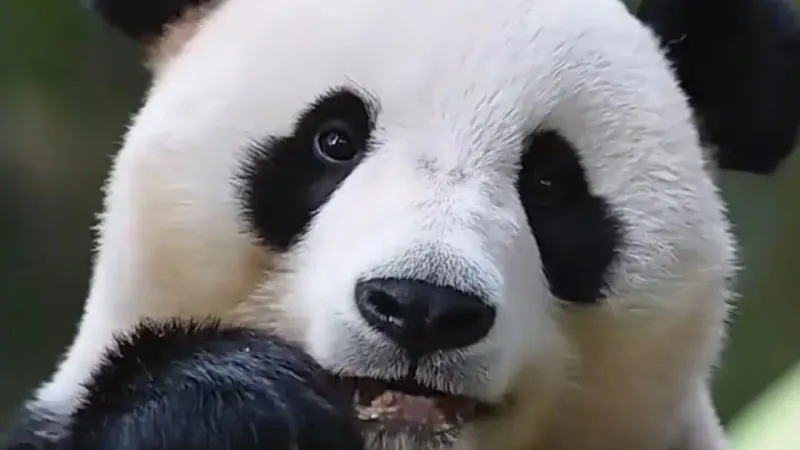
In May 2026, Guangzhou Chimelong Safari Park confirmed that Jia He (家和, studbook #972), a 10-year-old male giant panda, died from heart failure caused by a pulmonary chlamydia infection — a diagnosis so unusual that it may be the first documented fatal chlamydia case in a giant panda worldwide. This article examines the clinical timeline, the microbiology behind the infection, the investigation into possible transmission sources, and the broader implications for captive panda health management at one of China's largest panda facilities.
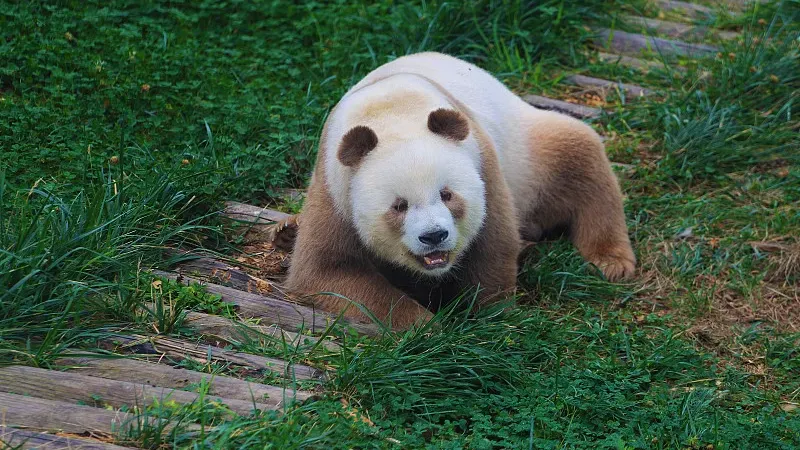
Nestled in the misty mountains above Ya'an, Sichuan, the Bifengxia Panda Base is the quiet epicenter of the global panda diaspora — the place every overseas-born panda first encounters when it returns to China. With its cool climate, abundant bamboo, and specialized quarantine facilities, Bifengxia has processed every major panda homecoming of the modern era, from Tai Shan in 2010 to Fu Bao in 2024.
World map
Coordinates: 22.9972 N, 113.3188 E
Archive notes
Chimelong Safari Park, located in Panyu District, Guangzhou, Guangdong Province, is one of the largest zoological institutions in southern China, holding full accreditation from both the World Association of Zoos and Aquariums (WAZA) and the China Association of Zoological Gardens (CAZG). The park hosts more than 500 species and 20,000 individual animals, including critically endangered Ailuropoda melanoleuca (giant panda), endangered Panthera tigris tigris (Bengal tiger) white variant, Gavialis gangeticus (gharial), and Elephas maximus (Asian elephant), all listed in CITES Appendix I. It maintains close breeding and research partnerships with the China Conservation and Research Center for the Giant Panda (CCRCGP) based in Wolong National Nature Reserve, Sichuan Province, and the Wildlife Conservation Society (WCS) China Program. The park's 2000-acre grounds feature a unique self-drive safari zone that replicates natural