Place archive

Ordos Wildlife Park

zoo Ordos, China Established 2010

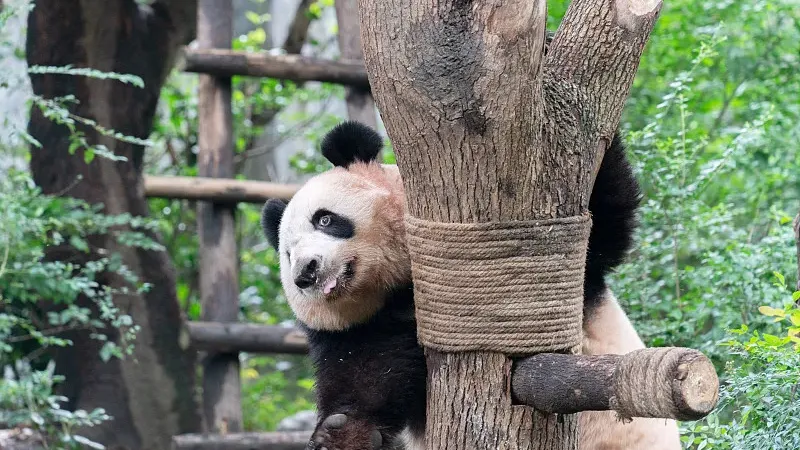
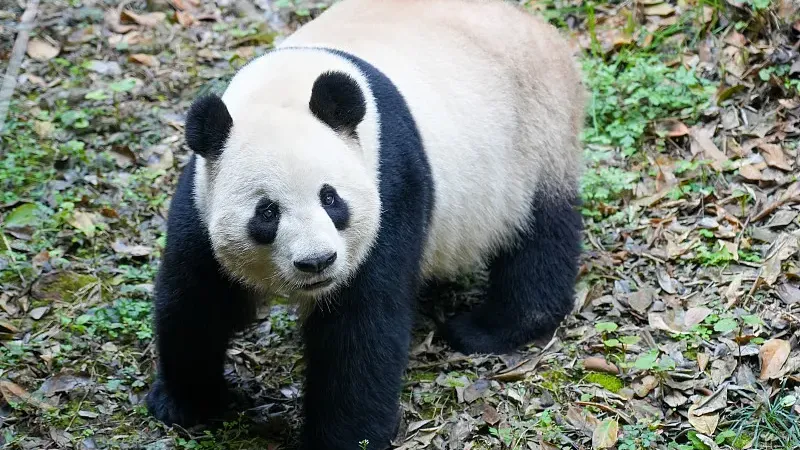
Ordos Wildlife Park, a national AAAA scenic spot, covers 12 km² of Inner Mongolia grasslands. In September 2016, two giant pandas from Chengdu Base began their residency, joining over 220 terrestrial species and 260 marine species at the park.

Ordos Wildlife Park houses giant pandas under international loan agreement with the China Conservation and Research Center, as part of the cooperative panda diplomacy and ex-situ conservation network.

How this page is organized

Start with the pandas, then move outward into the surrounding archive

This page gathers the residents linked to Ordos Wildlife Park, the key moments recorded here, nearby institutions, and the articles that add context.

Resident archive

Pandas connected to this place

0 pandas recorded

No pandas recorded yet

The archive does not yet list pandas connected to Ordos Wildlife Park.

Recorded moments

Archive timeline at Ordos Wildlife Park

No timeline entries yet

No update records have been linked to Ordos Wildlife Park so far.

In the library

Further reading on Ordos Wildlife Park

Browse library →
Cover image for "Vienna's Miracle: How Schönbrunn Zoo Achieves Natural Panda Mating"
Nature 📚 general

Vienna's Miracle: How Schönbrunn Zoo Achieves Natural Panda Mating

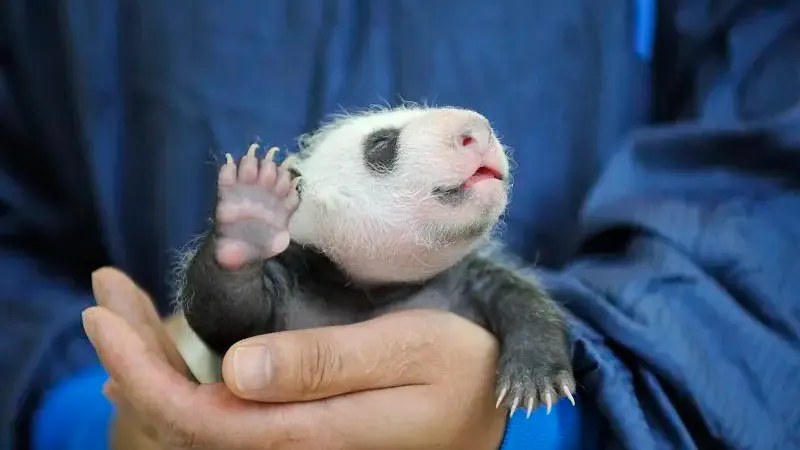
The Schönbrunn Zoo in Vienna is the only zoo in Europe where giant pandas have consistently achieved natural mating without artificial insemination. This article examines the environmental, behavioral, and husbandry factors — enclosure design, minimal human interference, seasonal light cycling — that have made Vienna the global model for natural panda reproduction.

3 pandas
vienna natural-mating breeding +3
Read article
Cover image for "The International Studbook: How Big Data Prevents Panda Inbreeding"
Featured
Nature 🔬 advanced

The International Studbook: How Big Data Prevents Panda Inbreeding

Every captive giant panda on Earth is recorded in a single global database — the International Studbook — which tracks lineage, calculates genetic relatedness, and determines each year's breeding recommendations. This article explains how studbook managers use population genetics software to maintain 90% genetic diversity across 700 captive pandas, making the panda breeding program one of the most mathematically sophisticated conservation efforts in history.

1 panda
studbook genetics breeding +2
Read article
Cover image for "The Giant Panda Genome Project: How DNA Sequencing Transformed Conservation"
Featured
Nature 🔬 advanced

The Giant Panda Genome Project: How DNA Sequencing Transformed Conservation

In 2009, an international team led by BGI-Shenzhen published the first complete giant panda genome — a 2.4 billion base-pair blueprint that revealed why pandas lost the taste for meat, how they digest bamboo with bacterial help, and why their genetic diversity offers hope for survival. This article follows the science from Jing Jing's blood sample to today's conservation genomics, covering TAS1R1 umami pseudogenization, the Illumina sequencing revolution, and what the genome means for the species' future.

1 panda
genome dna genetics +5
Read article

World map

Where this place sits in the wider panda world

View full map →
Click a marker to open the place page Panda counts reflect current archive records

📍 All Locations

Coordinates: 39.6000 N, 109.7800 E