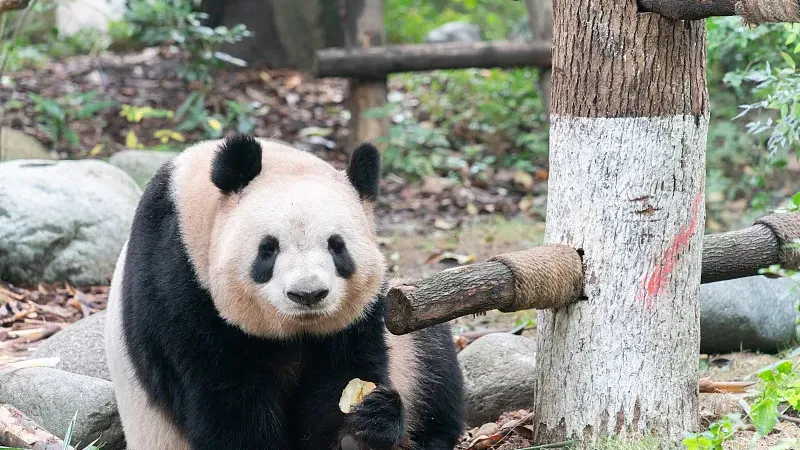
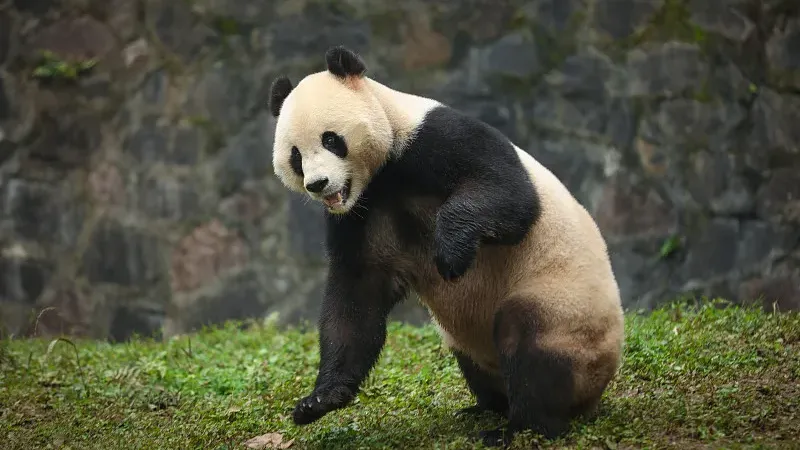
Tangjiahe Nature Reserve is a protected area in Sichuan Province, known for its rich biodiversity and panda conservation work.
Tangjiahe Nature Reserve forms part of the in-situ conservation landscape for wild giant pandas, anchored by nature reserves and protected corridors within the broader panda habitat network.
How this page is organized
Start with the pandas, then move outward into the surrounding archive
This page gathers the residents linked to Tangjiahe Nature Reserve, the key moments recorded here, nearby institutions, and the articles that add context.
Wild Panda Filmed Drinking at a Stream in Tangjiahe
A tourist captured rare footage of a wild giant panda drinking at a mountain stream in Tangjiahe National Nature Reserve, Sichuan — a precious wild panda sighting recorded on August 13, 2026.
Panda Habitat as Carbon Sink: The Hidden Climate Value of Bamboo Forests
The bamboo forests protected for pandas store an estimated 2-3 billion tons of carbon across the Giant Panda National Park's 27,000 square kilometers — an ecosystem service worth $200-750 million annually in carbon sequestration alone. This article examines how panda conservation doubles as climate action, why bamboo forests rival tropical rainforests in per-hectare carbon storage, and how China's carbon market is creating new economic incentives for habitat protection.
Living With Pandas: How 180,000 People Share the Forest
The Giant Panda National Park is not an empty wilderness — approximately 180,000 people live within its boundaries, in villages that predate the park by centuries. This article explores how community-based conservation has transformed former loggers into park rangers, farmers into eco-tourism operators, and local residents into panda protectors — and why this model is being studied worldwide as a template for integrating human livelihoods with species protection.
China's Giant Panda National Park: The Six Mountain Range Habitats
The Giant Panda National Park, established in 2021, spans 27,000 square kilometers across Sichuan, Shaanxi, and Gansu provinces. This article maps the six mountain ranges — Minshan, Qionglai, Daxiangling, Xiaoxiangling, Liangshan, and Qinling — that form the panda's last wild strongholds, exploring how each range's distinct microclimate, bamboo diversity, and elevation profile shapes the pandas that live there.