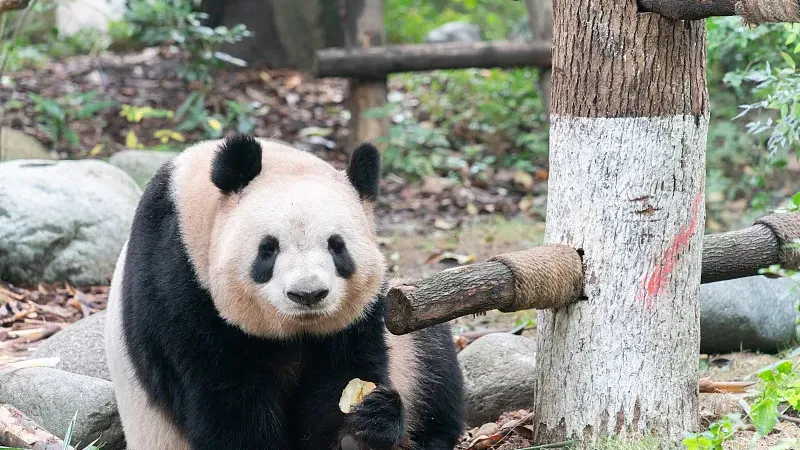
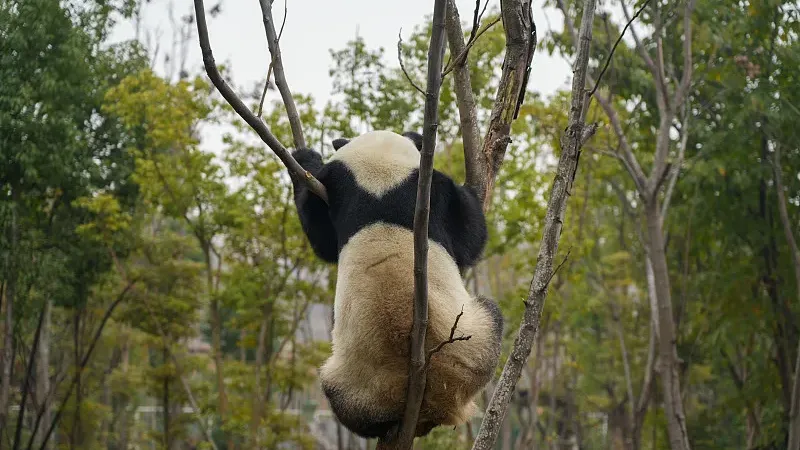
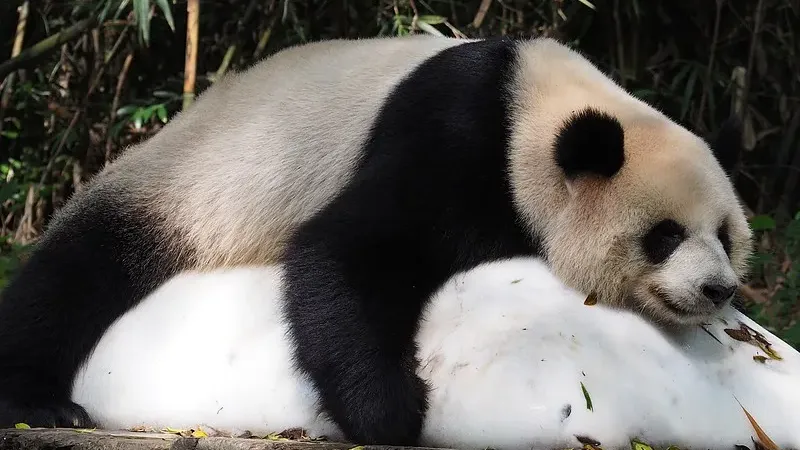
The Wolong Hetaoping Wild Training Base, located within Wolong National Nature Reserve in Wenchuan County, Sichuan Province, sits at the eastern edge of the Qinghai-Tibet Plateau at the core of the Qionglai Mountains, a global biodiversity hotspot designated by Conservation International. Specializing in the wild reintroduction of Ailuropoda melanoleuca (giant panda), the base operates under the supervision of the China Conservation and Research Center for the Giant Panda (CCRCGP), collaborating with the Institute of Zoology, Chinese Academy of Sciences to optimize training protocols for captive-bred pandas to adapt to native habitats dominated by Bashania faberi (Fargesia bamboo) and Abies fabri (Faber's fir). It also conducts cross-species conservation research on sympatric endemic species including Takin (Budorcas taxicolor tibetana), Red Panda (Ailurus fulgens), and Snow Leopard (Panthera uncia), all listed in the IUCN Red List of Threatened Species and protected under Appendix I of CITES.
As the first dedicated giant panda wild training site in China, Hetaoping launched the national Giant Panda Wild Training and Reintroduction Program in 2009, with its first released individual, panda Tao Tao, successfully integrating into the wild population