Jia Yueyue
加悦悦
10 years old
Wuxi Zoo
Jia Yueyue is a female giant panda born on 2015-10-13 at Toronto Zoo, Canada. She and her twin brother Jia Panpan were t...
View profilePlace archive
Wuxi Zoo is a municipal zoo in Wuxi, Jiangsu Province, China.
Wuxi Zoo houses giant pandas under international loan agreement with the China Conservation and Research Center, as part of the cooperative panda diplomacy and ex-situ conservation network.
How this page is organized
This page gathers the residents linked to Wuxi Zoo, the key moments recorded here, nearby institutions, and the articles that add context.
Resident archive
1 panda recorded
The pandas currently recorded at this institution.
加悦悦
Jia Yueyue is a female giant panda born on 2015-10-13 at Toronto Zoo, Canada. She and her twin brother Jia Panpan were t...
View profileGallery
Images and video connected to Wuxi Zoo.
Images and video for Wuxi Zoo will be added later.
Recorded moments
Jia Yueyue celebrated her 10th birthday at Wuxi Zoo with a special song and merchandise.
Read updateJia Yueyue arrived at Wuxi Zoo for a five-year educational exhibit.
Read updateIn the library

Every captive giant panda on Earth is recorded in a single global database — the International Studbook — which tracks lineage, calculates genetic relatedness, and determines each year's breeding recommendations. This article explains how studbook managers use population genetics software to maintain 90% genetic diversity across 700 captive pandas, making the panda breeding program one of the most mathematically sophisticated conservation efforts in history.
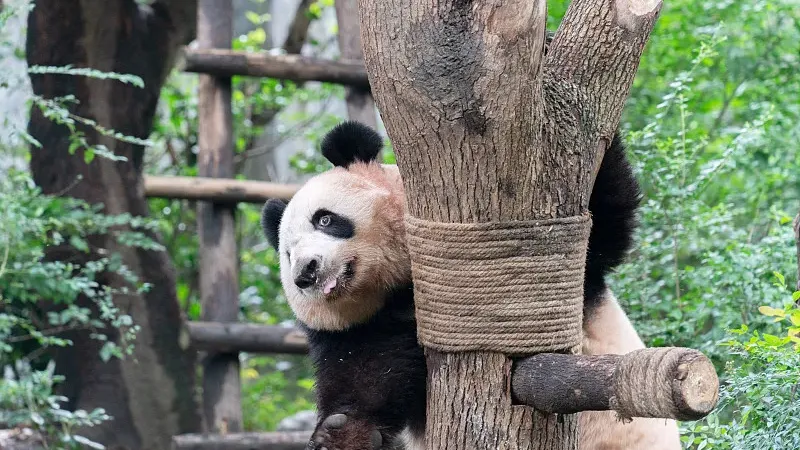
In 2009, an international team led by BGI-Shenzhen published the first complete giant panda genome — a 2.4 billion base-pair blueprint that revealed why pandas lost the taste for meat, how they digest bamboo with bacterial help, and why their genetic diversity offers hope for survival. This article follows the science from Jing Jing's blood sample to today's conservation genomics, covering TAS1R1 umami pseudogenization, the Illumina sequencing revolution, and what the genome means for the species' future.
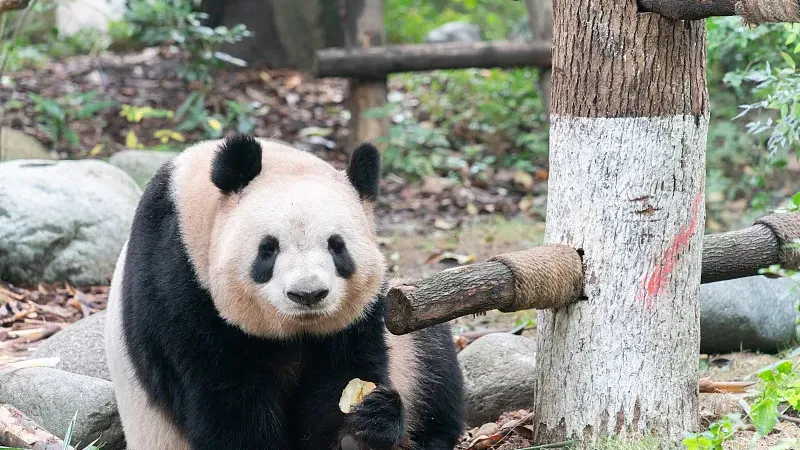
The bamboo forests protected for pandas store an estimated 2-3 billion tons of carbon across the Giant Panda National Park's 27,000 square kilometers — an ecosystem service worth $200-750 million annually in carbon sequestration alone. This article examines how panda conservation doubles as climate action, why bamboo forests rival tropical rainforests in per-hectare carbon storage, and how China's carbon market is creating new economic incentives for habitat protection.
World map
Coordinates: 31.5700 N, 120.3100 E