Chen Xing
辰星
6 years old
Zoo Negara (National Zoo of Malaysia)
Chen Xing (辰星), also known as Bai Feng (白峰), is a male giant panda born on August 19, 2020 at the China Conservation and...
View profilePlace archive
Zoo Negara, located in Ampang, Selangor, Malaysia, sits adjacent to the ancient Klang Gates Quartz Ridge and the Ampang Forest Reserve, hosting over 5,000 animals representing 476 species across its 110-acre tropical rainforest grounds. Its flagship species include the critically endangered *Panthera tigris jacksoni* (Malayan tiger), with fewer than 150 individuals remaining in the wilds of Taman Negara and Belum-Temengor Forest Reserve, as well as *Helarctos malayanus* (sun bear), the smallest bear species in the world listed as Vulnerable by the IUCN Red List. The zoo works closely with the Department of Wildlife and National Parks Peninsular Malaysia (PERHILITAN) and WWF-Malaysia on the Malayan Tiger Conservation Action Plan, a national initiative to reverse the species' population decline by 2030. The Giant Panda Conservation Centre, established in 201
Zoo Negara (National Zoo of Malaysia) houses giant pandas under international loan agreement with the China Conservation and Research Center, as part of the cooperative panda diplomacy and ex-situ conservation network.
How this page is organized
This page gathers the residents linked to Zoo Negara (National Zoo of Malaysia), the key moments recorded here, nearby institutions, and the articles that add context.
Resident archive
3 pandas recorded
The pandas currently recorded at this institution.
辰星
Chen Xing (辰星), also known as Bai Feng (白峰), is a male giant panda born on August 19, 2020 at the China Conservation and...
View profile良良
Liang Liang is a female giant panda born on 2014-09-15 at the Chengdu Research Base of Giant Panda Breeding. Her studboo...
View profile晓月
Xiao Yue (晓月), also known as Xing Yi (星怡), is a female giant panda born on September 29, 2020 at the China Conservation ...
View profileGallery
Images and video connected to Zoo Negara (National Zoo of Malaysia).
Images and video for Zoo Negara (National Zoo of Malaysia) will be added later.
Recorded moments
Chen Xing (male, outgoing) and Xiao Yue (female, gentle) arrived in Malaysia for a 10-year cooperation program, following Fu Wa and Feng Yi's return in May 2025.
Read updateLiang Liang gave birth to her third cub Sheng Yi at Zoo Negara, following Yi Yi born in 2018.
Read updateSheng Yi was named by Malaysian minister and Chinese ambassador.
Read updateNuan Nuan was born at Zoo Negara Malaysia, the first giant panda born in Malaysia.
Read updateLiang Liang gave birth to her first cub Nuan Nuan at Zoo Negara — the first giant panda ever born in Southeast Asia.
Read updateLiang Liang and Xing Xing arrived at Zoo Negara in Malaysia under a 10-year Sino-Malaysian cooperative breeding agreement. She was renamed from Feng Yi to Liang Liang.
Read updateIn the library
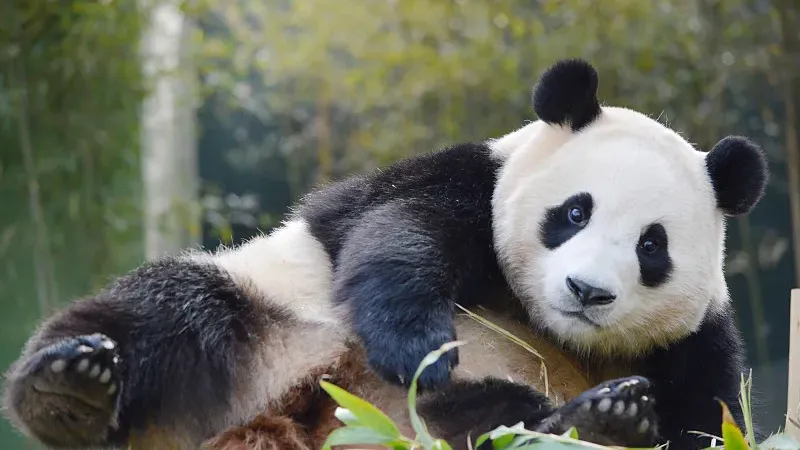
The giant panda diaspora spans 58 locations across continents — from the misty bamboo forests of Sichuan to climate-controlled enclosures in Singapore, from mountain reserves that shelter free-ranging pandas to urban zoos that host celebrities. This article provides the definitive guide to panda geography: where they live, why they're there, what the distribution reveals about conservation history, and how the map has changed from 1869 to today.
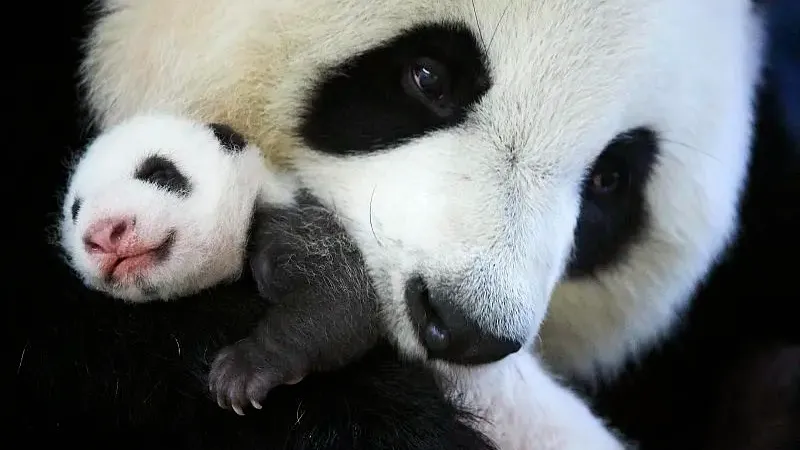
Since 1984, the giant panda has been listed on Appendix I of CITES — the Convention on International Trade in Endangered Species — which prohibits all commercial international trade in pandas and their products. This article explains how CITES works, what Appendix I listing means for pandas, and how the treaty shapes the international panda loan system.
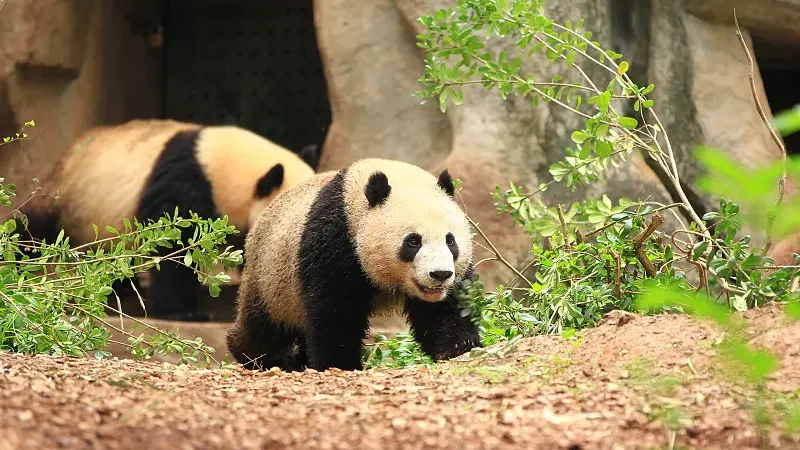
In a remarkable five-year span, Malaysia's Zoo Negara celebrated three panda births — Nuan Nuan (2015), Yi Yi (2018), and Sheng Yi (2021) — an extraordinary breeding success in one of the world's most challenging panda climates. This article tells the story of Malaysia's panda program and the three daughters who became national treasures.
World map
Coordinates: 3.2091 N, 101.7583 E
Archive notes
Zoo Negara, located in Ampang, Selangor, Malaysia, sits adjacent to the ancient Klang Gates Quartz Ridge and the Ampang Forest Reserve, hosting over 5,000 animals representing 476 species across its 110-acre tropical rainforest grounds. Its flagship species include the critically endangered Panthera tigris jacksoni (Malayan tiger), with fewer than 150 individuals remaining in the wilds of Taman Negara and Belum-Temengor Forest Reserve, as well as Helarctos malayanus (sun bear), the smallest bear species in the world listed as Vulnerable by the IUCN Red List. The zoo works closely with the Department of Wildlife and National Parks Peninsular Malaysia (PERHILITAN) and WWF-Malaysia on the Malayan Tiger Conservation Action Plan, a national initiative to reverse the species' population decline by 2030.
The Giant Panda Conservation Centre, established in 201