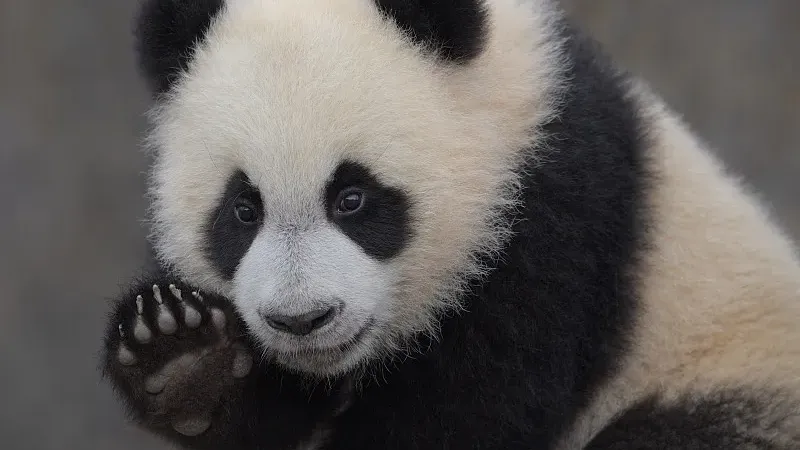
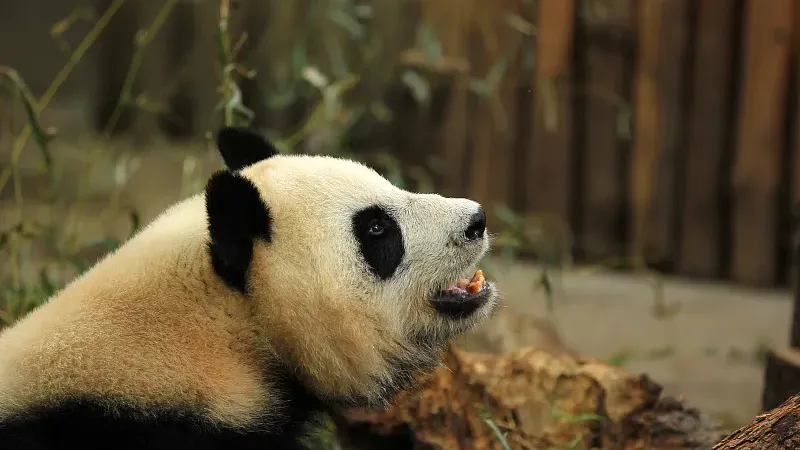
The Qinling Mountains in Shaanxi Province form the northernmost natural habitat of the giant panda, home to the distinctive brown-and-white panda subspecies.
Qinling Mountains forms part of the in-situ conservation landscape for wild giant pandas, anchored by nature reserves and protected corridors within the broader panda habitat network.
How this page is organized
Start with the pandas, then move outward into the surrounding archive
This page gathers the residents linked to Qinling Mountains, the key moments recorded here, nearby institutions, and the articles that add context.
Panda Myths Across the Mountains of China: The Lost Folklore of the Bamboo Bear
Long before Western science 'discovered' the giant panda in 1869, the mountain peoples of Sichuan, Shaanxi, and Gansu knew it by many names — huaxiong (flower bear), baixiong (white bear), zhuxiong (bamboo bear) — and wove it into their oral traditions. This article collects, for the first time in English, the regional folklore of the giant panda: the Qiang guardian spirit, the Tibetan mountain god, the Yi yin-yang symbol, and the Han fire-origin legend. These stories reveal how China's mountain cultures understood the panda before it became a global icon.
Where Do Wild Pandas Live? The Complete Panda Habitat Guide
Wild pandas live in six mountain ranges across three provinces of southwestern China — Minshan, Qionglai, Qinling, Liangshan, Daxiangling, and Xiaoxiangling — each with its own bamboo palette, elevation band, and conservation pressures. This guide maps the full habitat system: how elevation, bamboo species, and climate make a patch habitable, the fragmentation reality of 33 isolated subpopulations, and the corridor network under the Giant Panda National Park that is reconnecting them. Name the range, and you begin to know the habitat.
Minshan vs. Qinling: How Two Mountain Ranges Shape Different Pandas
The giant panda exists in two distinct forms across two mountain ranges: the larger, darker Sichuan subspecies in the Minshan and Qionglai ranges, and the rounder-faced, browner Qinling subspecies isolated for 10,000+ years in Shaanxi. This comparative ecology article maps the habitat differences — elevation, climate, bamboo, snowfall — that have driven subtle but significant divergence between the two panda populations.