Ao Li
奥利
13 years old
Shanghai Zoo
Ao Li is a male giant panda born on 2013-08-15 at Chengdu Research Base of Giant Panda Breeding. He is registered as stu...
View profilePlace archive
Shanghai Zoo, located in Changning District of Shanghai, China, is one of the oldest municipal zoological institutions in the Yangtze River Delta region, housing over 6,000 individual animals representing 500+ species as of 2024. Its collection includes critically endangered species such as Ailuropoda melanoleuca (giant panda), Pan troglodytes verus (western chimpanzee), and Rhinopithecus roxellana (golden snub-nosed monkey), alongside vulnerable species like Elephas maximus (Asian elephant) and Panthera tigris amoyensis (South China tiger). The zoo maintains long-term cooperative relationships with the Chengdu Research Base of Giant Panda Breeding
Shanghai Zoo houses giant pandas under international loan agreement with the China Conservation and Research Center, as part of the cooperative panda diplomacy and ex-situ conservation network.
How this page is organized
This page gathers the residents linked to Shanghai Zoo, the key moments recorded here, nearby institutions, and the articles that add context.
Resident archive
18 pandas recorded
The pandas currently recorded at this institution.
奥利
Ao Li is a male giant panda born on 2013-08-15 at Chengdu Research Base of Giant Panda Breeding. He is registered as stu...
View profile宝宁
Bao Ning is a male giant panda born on 2021-08-30 at Shanghai Zoo. He is registered under studbook number 1360 in the gl...
View profile宝星
Bao Xing Second is a male giant panda born on 2023-10-05 at Shanghai Zoo. He is registered under studbook number 1378 in...
View profile宝云
Bao Yun is a male giant panda born on 2023-11-20 at Shanghai Zoo. He is recorded under studbook number 1396 in the globa...
View profile东东
Dong Dong is a male giant panda born on 2022-08-10 at Shanghai Zoo. He is registered as studbook number 1322 in the glob...
View profile京京
Jing Jing is a female giant panda born on 2013-08-15 at Chengdu Research Base of Giant Panda Breeding. Her studbook numb...
View profilePandas whose birth place is recorded as Shanghai Zoo.
宝宁
Bao Ning is a male giant panda born on 2021-08-30 at Shanghai Zoo. He is registered under studbook number 1360 in the gl...
View profile宝星
Bao Xing Second is a male giant panda born on 2023-10-05 at Shanghai Zoo. He is registered under studbook number 1378 in...
View profile宝云
Bao Yun is a male giant panda born on 2023-11-20 at Shanghai Zoo. He is recorded under studbook number 1396 in the globa...
View profilePandas that were once linked to this institution.
花生
Hua Sheng (花生, "Peanut") was a female giant panda born July 9, 2016 at the Shanghai Wildlife Park — the first panda cub ...
View profileGallery
Images and video connected to Shanghai Zoo.
Images and video for Shanghai Zoo will be added later.
Recorded moments
Le Le's remains arrived at Shanghai Pudong International Airport. Serum and semen samples were also repatriated for research.
Read updateIn the library
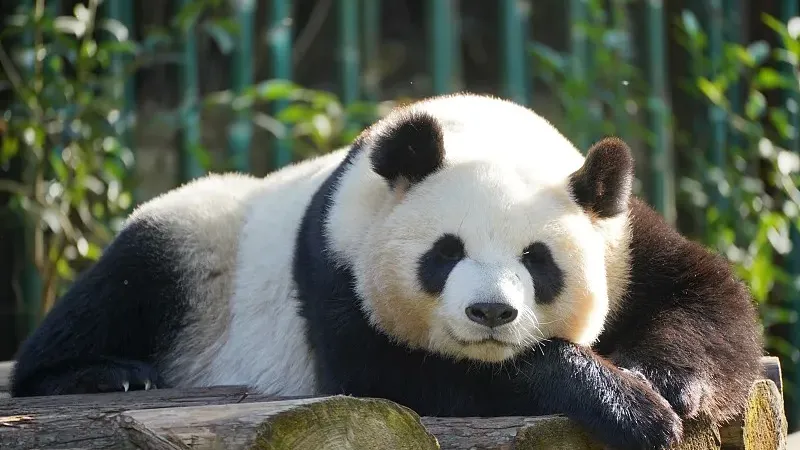
Long before pandas appeared on stamps, coins, and Olympic mascots, they inhabited Chinese visual culture — tentatively at first, as strange bears in the margins of imperial bestiaries, and then, explosively, as the subject of 20th-century ink paintings, propaganda posters, contemporary installations, and global street art. This article traces the panda's journey through art history: how visual artists across cultures have interpreted, mythologized, and commercialized the panda's image.
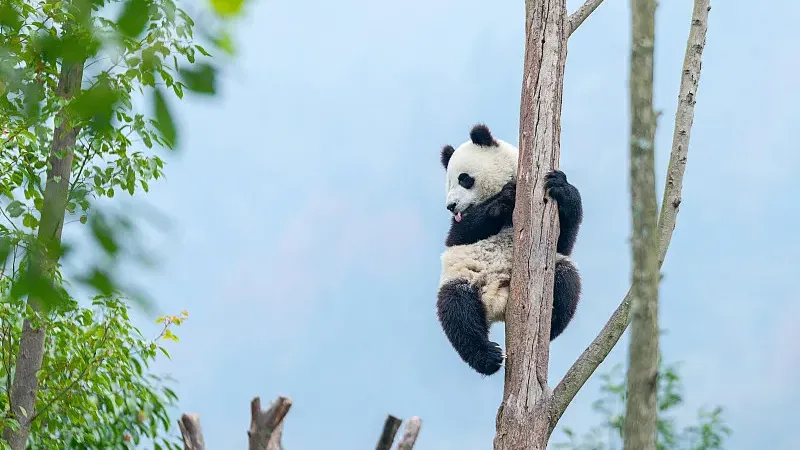
Hua Hua's celebrity has transformed the Chengdu Research Base from a conservation facility into one of China's most popular tourist destinations. This article examines the 'panda fan economy' — how a single charismatic animal drives millions in ticket sales, hotel bookings, merchandise revenue, and social media engagement, and what this phenomenon reveals about the economic power of animal celebrity.
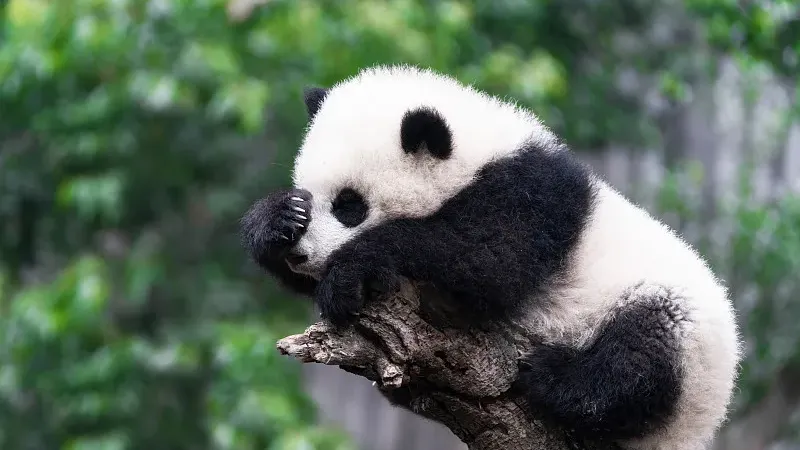
Panda merchandise has evolved from simple souvenirs into a sophisticated collector's market spanning vintage propaganda posters, limited-edition stamps, designer art toys, and luxury fashion collaborations. This article traces the history of panda collectibles through seven eras and explains what makes each category valuable.
World map
Coordinates: 31.1944 N, 121.3606 E
Archive notes
Shanghai Zoo, located in Changning District of Shanghai, China, is one of the oldest municipal zoological institutions in the Yangtze River Delta region, housing over 6,000 individual animals representing 500+ species as of 2024. Its collection includes critically endangered species such as Ailuropoda melanoleuca (giant panda), Pan troglodytes verus (western chimpanzee), and Rhinopithecus roxellana (golden snub-nosed monkey), alongside vulnerable species like Elephas maximus (Asian elephant) and Panthera tigris amoyensis (South China tiger). The zoo maintains long-term cooperative relationships with the Chengdu Research Base of Giant Panda Breeding