Place archive

Qinling Panda Research Center

breeding center Xi'an, China

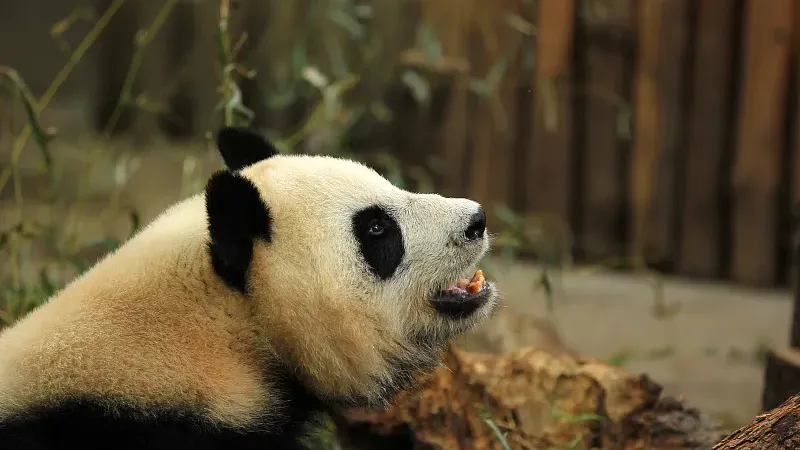
The Qinling Panda Research Center (秦岭大熊猫研究中心) is located in Louguantai, Zhouzhi County, Shaanxi Province, at the northern foot of the Qinling Mountains. It is the only research and breeding facility in China dedicated exclusively to the Qinling subspecies of giant panda (Ailuropoda melanoleuca qinlingensis), which is distinguished from the Sichuan subspecies by its smaller skull, rounder face, and distinctive brown-and-white coat color variant. The center's origins date to 1987 with the establishment of the Shaanxi Rare Wildlife Rescue and Breeding Research Center. In 2018, it was designated as China's fourth major panda breeding base (following Wolong CCRCGP, Chengdu Base, and Beijing Zoo), and in 2019 it was formally established as the Qinling Panda Research Center under the Shaanxi Academy of Forestry. The center is home to Qi Zai (七仔), the world's only captive brown giant panda, discovered as a wild orphan in 2009. The center also operates the Qinling Four Treasures Science Park, which opened to the public in 2021 and features the "four treasures" of the Qinling Mountains: giant pandas, golden snub-nosed monkeys, crested ibises, and takins.
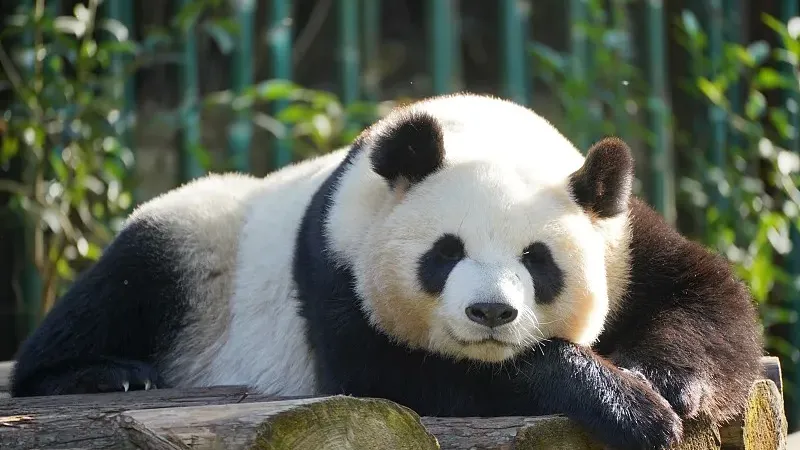
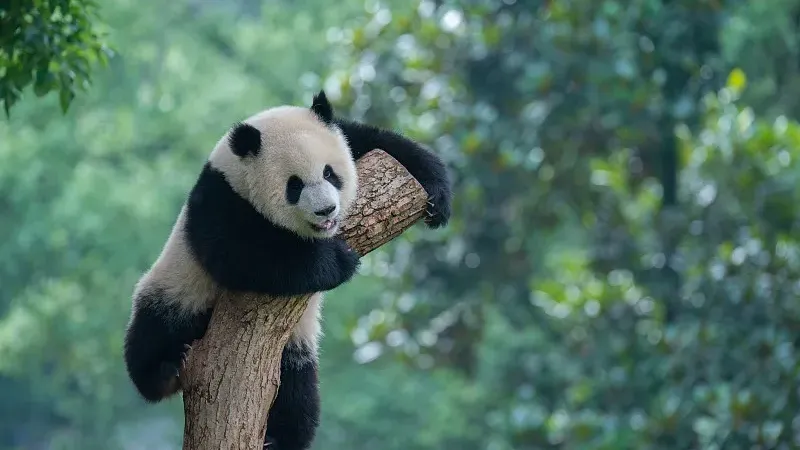
Qinling Panda Research Center is a CCRCGP-affiliated ex-situ conservation facility contributing to the coordinated captive breeding program that maintains genetic diversity across the global giant panda population.

How this page is organized

Start with the pandas, then move outward into the surrounding archive

This page gathers the residents linked to Qinling Panda Research Center, the key moments recorded here, nearby institutions, and the articles that add context.

Resident archive

Pandas connected to this place

6 pandas recorded

Currently at Qinling Panda Research Center

The pandas currently recorded at this institution.

6 active

Ba Zai

八仔

Alive
4 years old
Qinling Panda Research Center

Ba Zai (八仔), nicknamed "Cai Bao Zi" (菜包子, meaning "Vegetable Buns"), is a male giant panda born on July 16, 2021, at the...

qinling-subspecies offspring-of-qizai offspring-of-zhengzheng +2
View profile

Jin Xin

锦心

Alive
18 years old
Qinling Panda Research Center

Jin Xin (锦心, #672) is a female giant panda born on August 6, 2007, at the Bifengxia Base of the China Conservation and R...

qinling-subspecies high-producing-female multi-mother
View profile

Qin Hua

秦华

Alive
5 years old
Qinling Panda Research Center

Qin Hua (秦华), nicknamed "Xiao Kou Zhao" (小口罩, "Little Mask") or "Zhu Ma Hu" (珠麻糊), is a male giant panda born on October...

qinling-subspecies offspring-of-qizai panpan-adoption +1
View profile

Rong Rong

荣荣

Alive
3 years old
Qinling Panda Research Center

Rong Rong (荣荣), formerly known as Jin Xiao Qi (锦小七, "Little Seven of the Golden Series"), is a male giant panda born on ...

qinling-subspecies offspring-of-qizai peihua-adoption +1
View profile

Zheng Zheng

正正

Alive
13 years old
Qinling Panda Research Center

Zheng Zheng (正正, #834) is a female giant panda born on July 11, 2012, at the Bifengxia Base of the China Conservation an...

qinling-subspecies offspring-of-qizai multi-mother +1
View profile

Zhu Zhu

珠珠

Alive
25 years old
Qinling Panda Research Center

Zhu Zhu (珠珠, #509) is a female giant panda born on August 6, 2000, at the Hetaoping Wild Training Base in Shaanxi Provin...

qinling-subspecies bai-xue-family high-producing-female +2
View profile

Born here

Pandas whose birth place is recorded as Qinling Panda Research Center.

3

Ba Zai

八仔

Alive
4 years old
Qinling Panda Research Center

Ba Zai (八仔), nicknamed "Cai Bao Zi" (菜包子, meaning "Vegetable Buns"), is a male giant panda born on July 16, 2021, at the...

qinling-subspecies offspring-of-qizai offspring-of-zhengzheng +2
View profile

Qin Hua

秦华

Alive
5 years old
Qinling Panda Research Center

Qin Hua (秦华), nicknamed "Xiao Kou Zhao" (小口罩, "Little Mask") or "Zhu Ma Hu" (珠麻糊), is a male giant panda born on October...

qinling-subspecies offspring-of-qizai panpan-adoption +1
View profile

Rong Rong

荣荣

Alive
3 years old
Qinling Panda Research Center

Rong Rong (荣荣), formerly known as Jin Xiao Qi (锦小七, "Little Seven of the Golden Series"), is a male giant panda born on ...

qinling-subspecies offspring-of-qizai peihua-adoption +1
View profile

Recorded moments

Archive timeline at Qinling Panda Research Center

View full timeline →
2022
Oct 1

Ai Hin Gives Birth at Qinling Center

On National Day 2022, Ai Hin gave birth to a 200g cub at the Qinling Panda Research Center. The cub grew strong under her attentive care, reaching 4.3kg within weeks.

Read update
2019
Feb 8

Dai Dai, Ai Hin's Cross-Subspecies Cub, Dies

Dai Dai (带带, studbook

Read update
2017
Nov 1

Qi Zai Returns for Breeding Program

Qi Zai returned to Shaanxi Rare Wildlife Rescue Center to participate in the 2018 breeding program.

Read update

In the library

Further reading on Qinling Panda Research Center

Browse library →
Cover image for "Brown Pandas: Unlocking the Genetic Mystery of Qi Zai"
Featured
Nature 🔬 advanced

Brown Pandas: Unlocking the Genetic Mystery of Qi Zai

Qi Zai is the world's only captive brown giant panda — a chocolate-colored anomaly discovered as a two-month-old cub in the Qinling Mountains in 2009. This article explores the recessive genetic mutation behind his unique coloration, the distinct Qinling subspecies he belongs to, and what brown pandas reveal about coat color genetics, habitat adaptation, and the hidden diversity within the giant panda population.

1 panda
brown-panda qi-zai qinling-subspecies +2
Read article
Cover image for "Panda Data Treasure Hunt: Search the Database Like a Real Scientist"
🐼 Kids 🐼 kids

Panda Data Treasure Hunt: Search the Database Like a Real Scientist

Put on your scientist hat! We're going on a panda data treasure hunt through the PandaCommon database. Can you find a panda born in Japan? A panda with twins? The oldest panda ever recorded? Learn to search like a real panda researcher and discover the amazing stories hidden in panda data!

9 pandas
database search game +2
Read article
Cover image for "Minshan vs. Qinling: How Two Mountain Ranges Shape Different Pandas"
Nature 📚 general

Minshan vs. Qinling: How Two Mountain Ranges Shape Different Pandas

The giant panda exists in two distinct forms across two mountain ranges: the larger, darker Sichuan subspecies in the Minshan and Qionglai ranges, and the rounder-faced, browner Qinling subspecies isolated for 10,000+ years in Shaanxi. This comparative ecology article maps the habitat differences — elevation, climate, bamboo, snowfall — that have driven subtle but significant divergence between the two panda populations.

subspecies habitat-comparison qinling +2
Read article

World map

Where this place sits in the wider panda world

View full map →
Click a marker to open the place page Panda counts reflect current archive records

📍 All Locations

Coordinates: 34.0500 N, 108.2800 E

Archive notes

About Qinling Panda Research Center

The Qinling Panda Research Center (秦岭大熊猫研究中心) is located in Louguantai, Zhouzhi County, Shaanxi Province, at the northern foot of the Qinling Mountains. It is the only research and breeding facility in China dedicated exclusively to the Qinling subspecies of giant panda (Ailuropoda melanoleuca qinlingensis), which is distinguished from the Sichuan subspecies by its smaller skull, rounder face, and distinctive brown-and-white coat color variant.

The center's origins date to 1987 with the establishment of the Shaanxi Rare Wildlife Rescue and Breeding Research Center. In 2018, it was designated as China's fourth major panda breeding base (following Wolong CCRCGP, Chengdu Base, and Beijing Zoo), and in 2019 it was formally established as the Qinling Panda Research Center under the Shaanxi Academy of Forestry. The center is home to Qi Zai (七仔), the world's only captive brown giant panda, discovered as a wild orphan in 2009. The center also operates the Qinling Four Treasures Science Park, which opened to the public in 2021 and features the "four treasures" of the Qinling Mountains: giant pandas, golden snub-nosed monkeys, crested ibises, and takins.